
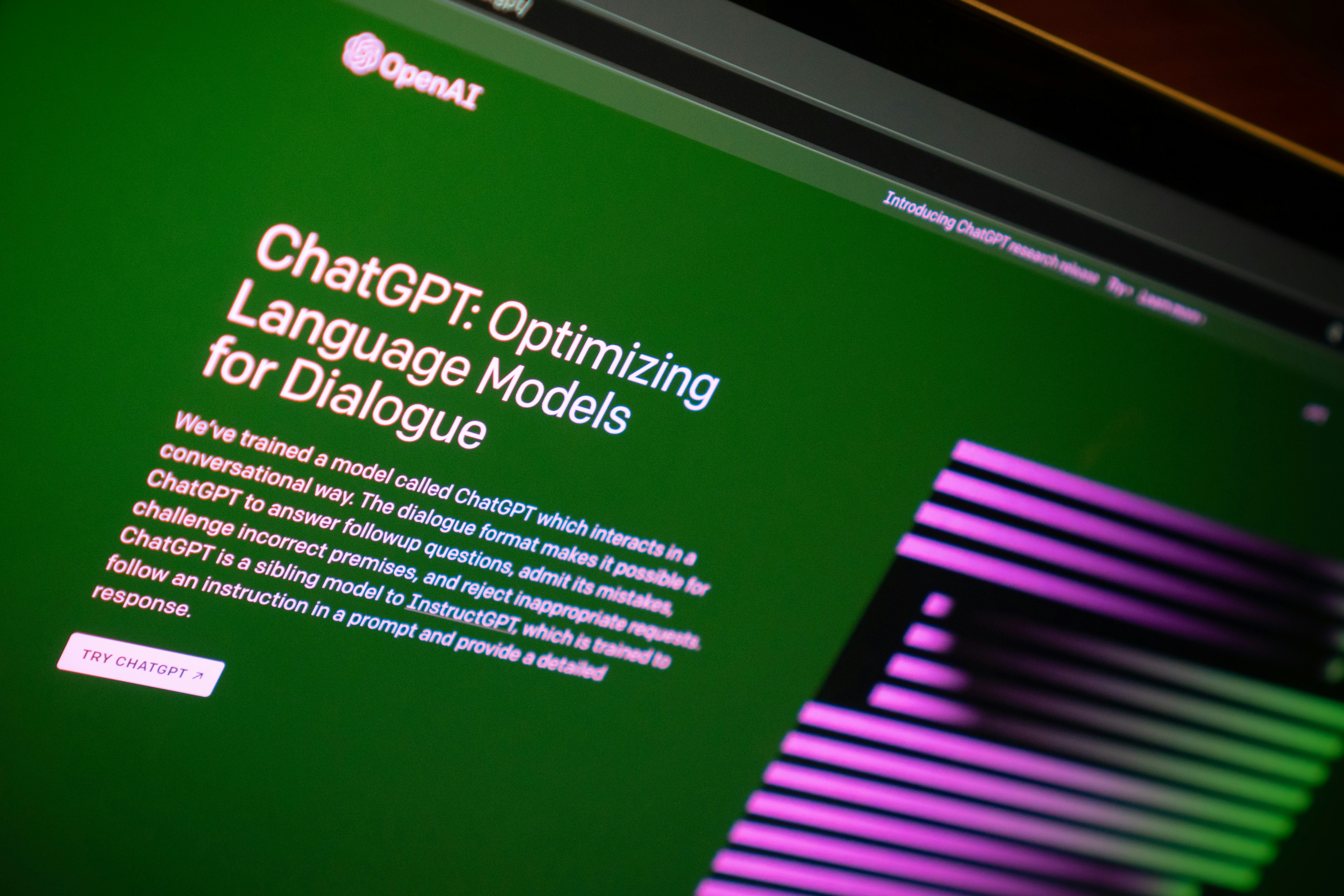
Introduction to AI Conversational Abilities
Conversational AI refers to technology that enables machines to engage in dialogue with humans through natural language. This domain encompasses a variety of systems, including chatbots and voice assistants, designed to facilitate seamless interactions. Unlike traditional chatbots, which often operate on pre-defined scripts and lack flexibility, contemporary AI conversational systems leverage advancements in machine learning and natural language processing. This progression has led to the capacity to have live conversations with AI in natural speech, making these interactions significantly more intuitive and human-like.
The journey into AI conversational abilities dates back several decades, originating from early natural language processing experiments. The development of algorithms capable of understanding context, sentiment, and nuances in human language has been pivotal. Initially, conversational AI was rudimentary, primarily relying on rule-based systems that could only respond to specific queries. However, technological advancements have fueled a transition towards more sophisticated models that utilize vast datasets, enabling them to learn and evolve through experience.
Recent innovations, such as the introduction of transformer models, have drastically enhanced the ability of AI systems to comprehend and generate human-like responses. These models facilitate real-time processing and understanding of language, enabling users to hold more organic dialogues. As we explore how individuals can now have live conversations with AI in natural speech, it’s essential to recognize that the user experience has improved substantially. The AI is becoming better at interpreting context, managing multi-turn conversations, and even adapting its speech style to align with human conversational norms.
As technology continues its rapid progression, the implications of these conversational abilities are far-reaching, impacting various sectors from customer service to personal assistance, and paving the way for more interactive and engaging communication in the future.
The Technology Behind Natural Language Processing
Natural Language Processing (NLP) is a critical area of artificial intelligence that facilitates effective communication between humans and machines. By enabling machines to understand, interpret, and generate human language, NLP plays a vital role in the development of AI systems capable of engaging in natural conversations. The underlying technology involves a combination of algorithms, machine learning techniques, and sophisticated data processing methods.
At the heart of NLP is the use of algorithms that can analyze linguistic structures and patterns within human speech. These algorithms empower AI to recognize words, parse sentences, and derive meaning from context, fostering a seamless interaction experience. The advancement of machine learning further enhances the capabilities of NLP systems. Through supervised learning, for example, AI models are trained on vast datasets containing examples of human conversations. This allows the AI to learn nuances of language use, such as idiomatic expressions or emotion-laden phrases, thereby enabling the technology to have live conversations with AI in natural speech.
Data processing methods are equally crucial in the efficacy of NLP. Preprocessing steps, such as tokenization, stemming, and lemmatization, prepare raw text data for analysis by breaking it down into manageable components. Following this, neural networks, particularly recurrent neural networks (RNN) or transformers, can be employed to grasp complex relational dynamics within the input data. These advancements contribute to AI’s ability to engage coherently and contextually with users during live interactions.
Overall, the fusion of algorithms, machine learning, and data processing in NLP forms the backbone of AI communication technologies, significantly enhancing how humans converse with machines.
Benefits of Having Live Conversations with AI
Engaging in live conversations with AI offers several advantages that significantly enhance user experiences across various domains. One of the most notable benefits is improved accessibility. AI systems, particularly those designed for live interaction, can provide support to individuals with disabilities, ensuring that communication barriers are minimized. For instance, voice recognition technology allows people who may not be able to use a keyboard to participate in conversations, thus fostering inclusivity.
Furthermore, live conversations facilitate personalized interactions. AI can analyze user preferences and adapt responses accordingly, creating a tailored experience for individuals. This level of customization is particularly valuable in educational contexts, where students can engage with AI tutors that respond to their specific learning styles and pace. Such interactive learning not only enhances comprehension but also keeps students motivated and engaged.
Moreover, the potential applications of having live conversations with AI extend into professional environments. Businesses can incorporate AI-driven communication tools to streamline operations and improve collaboration among team members. For example, AI can assist in managing schedules, organizing meetings, or even providing real-time updates on project progress, thus enhancing overall productivity.
Additionally, AI’s capability to enhance customer service experiences is noteworthy. Companies can deploy AI-powered chatbots to handle customer inquiries instantly, providing immediate assistance while freeing up human agents for more complex issues. This approach not only optimizes resource allocation but also ensures that customers receive timely responses, fostering satisfaction and loyalty.
In light of these benefits, engaging in real-time conversations with AI demonstrates remarkable potential to improve interactions in both personal and professional landscapes, presenting a promising avenue for future communication advancements.
Case Studies: AI Conversational Agents in Action
The utilization of AI conversational agents has found a strong foothold across various sectors, exemplifying how these intelligent systems are enhancing user experiences and streamlining operations. In the healthcare sector, AI-enabled chatbots have been deployed to assist patients in scheduling appointments and providing preliminary diagnostic support. For example, the chatbot used by a leading hospital allows patients to have live conversations with AI in natural speech, making their inquiries more intuitive and comprehensive. This not only reduces the burden on human staff but also ensures patients receive timely responses to their medical concerns.
In the business arena, AI conversational agents are transforming customer service operations. Companies such as Amazon and Google have implemented chatbots that engage customers 24/7, handling inquiries and facilitating purchases. For instance, Amazon’s Alexa enables users to perform tasks and retrieve information by having live conversations with AI in natural speech. These interactions foster a more engaging and efficient shopping experience, significantly boosting customer satisfaction and loyalty.
Educational institutions are also leveraging AI conversational agents to support student learning. Platforms like Duolingo use AI to provide personalized language tutoring, utilizing natural speech capabilities to engage users interactively. This method encourages learners to practice their language skills through conversation, making the educational process more effective and enjoyable.
Lastly, in the entertainment industry, AI-powered characters offer immersive interactions for users. Video games and virtual reality experiences are enhancing narrative-driven engagements, allowing players to have live conversations with AI in natural speech, thereby deepening emotional connections with characters.
These case studies collectively illustrate that as AI conversational agents evolve, they are set to fundamentally reshape how individuals engage across various domains, enhancing efficiency, personalization, and user satisfaction.
Challenges of AI in Natural Conversations
As artificial intelligence (AI) evolves to enable humans to have live conversations with AI in natural speech, several challenges arise that hinder its effectiveness. One primary issue is the ability of AI to understand context. Conversations often rely heavily on situational and contextual cues, which can be nuanced and implicit. For AI to excel in natural speech interactions, it must go beyond simple pattern recognition and incorporate contextual awareness into its responses. Without this, conversations may feel disjointed or irrelevant, leading to user frustration.
Additionally, AI systems struggle with ambiguity inherent in human language. Natural conversations frequently contain vagueness, idiomatic expressions, or sarcasm, which can pose significant challenges for AI comprehension. When users communicate, they often rely on shared knowledge or social cues that AI may not possess. As a result, AI could misinterpret a statement, leading to misunderstandings or inappropriate responses.
Recognizing emotions is another area where AI faces hurdles in natural speech conversations. Human communication is infused with emotional undertones that convey meaning beyond the spoken words. AI must be adept at interpreting vocal tones, pauses, and inflections to effectively gauge emotional context. This requires sophisticated algorithms capable of nuanced emotional analysis, a capability currently limited in many AI applications. Furthermore, the ethical implications surrounding AI’s conversational capabilities must be considered. Issues such as privacy, data security, and consent are paramount, especially as users engage in live conversations with AI. Ethical frameworks must evolve alongside technology to ensure responsible use and user protection.
In summary, while having live conversations with AI in natural speech presents exciting opportunities, significant challenges remain. These challenges, from context understanding to emotional recognition, highlight the complexities of creating truly intelligent conversational agents.
The Role of User Feedback in Improving AI Conversations
As artificial intelligence (AI) technology continues to evolve, the ability to have live conversations with AI in natural speech becomes increasingly important. User feedback plays a crucial role in enhancing these conversational abilities. Through feedback, developers can identify areas in which AI systems exhibit strengths and weaknesses, facilitating improvements in their interaction capabilities.
Collecting feedback from users can be accomplished through various methods, such as surveys, ratings, or direct communication after interactions. For instance, app and software developers often integrate feedback forms within their platforms, encouraging users to share their experiences. This feedback can then be analyzed quantitatively and qualitatively to pinpoint specific issues or common themes within user interactions.
Moreover, implementing user feedback involves iterative updates and refinements to AI systems. By training AI models on diverse datasets that incorporate user suggestions and corrections, developers enhance the system’s understanding of context, tone, and effective response generation. This continuous learning process is vital for creating more engaging and lifelike AI conversations, allowing for more meaningful interactions with users.
It is noteworthy that the process of improving AI conversational models through user feedback is ongoing. The AI landscape is dynamic, and user demands may change over time. Developers need to respond to such shifts by regularly updating their models to ensure that users can have live conversations with AI in natural speech that feels intuitive and relevant.
In conclusion, user feedback is an indispensable component of enhancing AI conversational capabilities. By actively engaging with users and incorporating their insights, developers can foster the development of AI systems that are increasingly able to converse naturally and effectively, thereby enriching user experiences and encouraging more meaningful communication.
The Future of Human-AI Dialogues
The landscape of communication is poised for transformative changes as advancements in artificial intelligence (AI) continue to reshape how humans interact with technology. The future of human-AI dialogues will likely witness the emergence of more sophisticated language models that can understand and produce human-like responses. These improved models will facilitate more intuitive and engaging conversations, allowing individuals to have live conversations with AI in natural speech.
Technological developments such as virtual and augmented reality will further enhance the communication experience. Imagine immersing oneself in a virtual environment where an AI partner can participate as an avatar, offering real-time, interactive dialogues. This level of integration not only enriches the conversation but also creates a more realistic setting for interactions, making discussions with AI feel more vibrant and engaging.
As these technologies evolve, the implications for society are vast. Enhanced communication with AI can lead to innovative applications in education, mental health, and customer service. In educational settings, for instance, students could engage in real-time dialogues with AI tutors that adapt to their learning styles and needs. In mental health, AI companions might offer supportive conversations that help individuals navigate their feelings and experiences.
However, the evolution of human-AI dialogues also raises important ethical considerations. Questions about privacy, data security, and the potential for misinformation must be addressed as these technologies become more integrated into daily life. As we embrace the future of communication with AI, it is crucial to establish frameworks that ensure these interactions are safe, transparent, and beneficial for all parties involved.
Getting Started with Conversational AI
Conversational AI is reshaping the way individuals and organizations communicate, enabling engaging interactions that mimic natural human dialogue. For those looking to integrate this technology, there are essential considerations to keep in mind before embarking on the journey of having live conversations with AI in natural speech.
Firstly, it is crucial to identify the specific needs and objectives of your organization. Understanding the type of interactions you want to facilitate with AI will guide your choice of tools and platforms. This could range from customer service applications to internal communication solutions. Identifying the target audience for these interactions ensures the selected conversational AI tools meet their expectations and enhance user experience.
Next, there are a variety of tools available for implementing conversational AI systems. Popular platforms include Google Dialogflow, Microsoft Bot Framework, and Amazon Lex, each offering unique features suited for different use cases. These platforms provide frameworks for building conversational agents that can engage in live conversations with AI in natural speech, making it easier to create an intuitive user interface.
Another important aspect is the design of the conversation flow. Effective conversational design takes into account natural language processing and user intent, allowing the AI to provide relevant responses. It is advisable to take an iterative approach when developing conversation flows, soliciting user feedback to refine and improve the interactions continuously.
Training the AI model with diverse datasets is equally important. By exposing the AI to various language inputs and contexts, you can enhance its ability to understand and respond accurately. Additionally, ongoing monitoring of the AI’s interactions will help identify areas needing improvement and ensure the conversations remain relevant and engaging.
By carefully considering these fundamental elements and utilizing the appropriate tools, both individuals and organizations can successfully engage in meaningful live conversations with AI, ultimately enhancing communication efficiency and user satisfaction.
Conclusion: Embracing the AI Conversational Revolution
As technology advances, the way we have live conversations with AI in natural speech continues to evolve, reshaping our communication landscape. Throughout this article, we have explored how AI is increasingly being integrated into our daily interactions, enabling more fluid and intuitive exchanges. The development of conversational agents capable of understanding and processing human language in a natural manner signifies a profound shift in human-computer interaction.
AI technologies are now equipped to engage in dialogues that feel more human-like than ever, making them valuable tools in various fields, such as customer service, education, and mental health support. The ability to converse with AI naturally not only enhances user experience but also fosters deeper connections, reducing the barrier often posed by technology. As individuals and businesses begin to realize the potential of these advancements, the importance of embracing AI-driven conversations becomes clear.
This ongoing evolution in technology points towards a future where engaging in discussions with AI becomes commonplace. By actively participating in this AI conversational revolution, we can harness the power of artificial intelligence to realize enhanced communication skills. Moreover, embracing these advancements promotes greater accessibility, ensuring that more individuals can engage effectively with AI in their everyday lives.
In conclusion, the significance of having live conversations with AI in natural speech cannot be overstated. As we stride forward into an era of continuous interaction with intelligent systems, our ability to adapt and embrace these technologies will surely influence the way we communicate, learn, and connect with one another in the future.

لا يوجد تعليق