
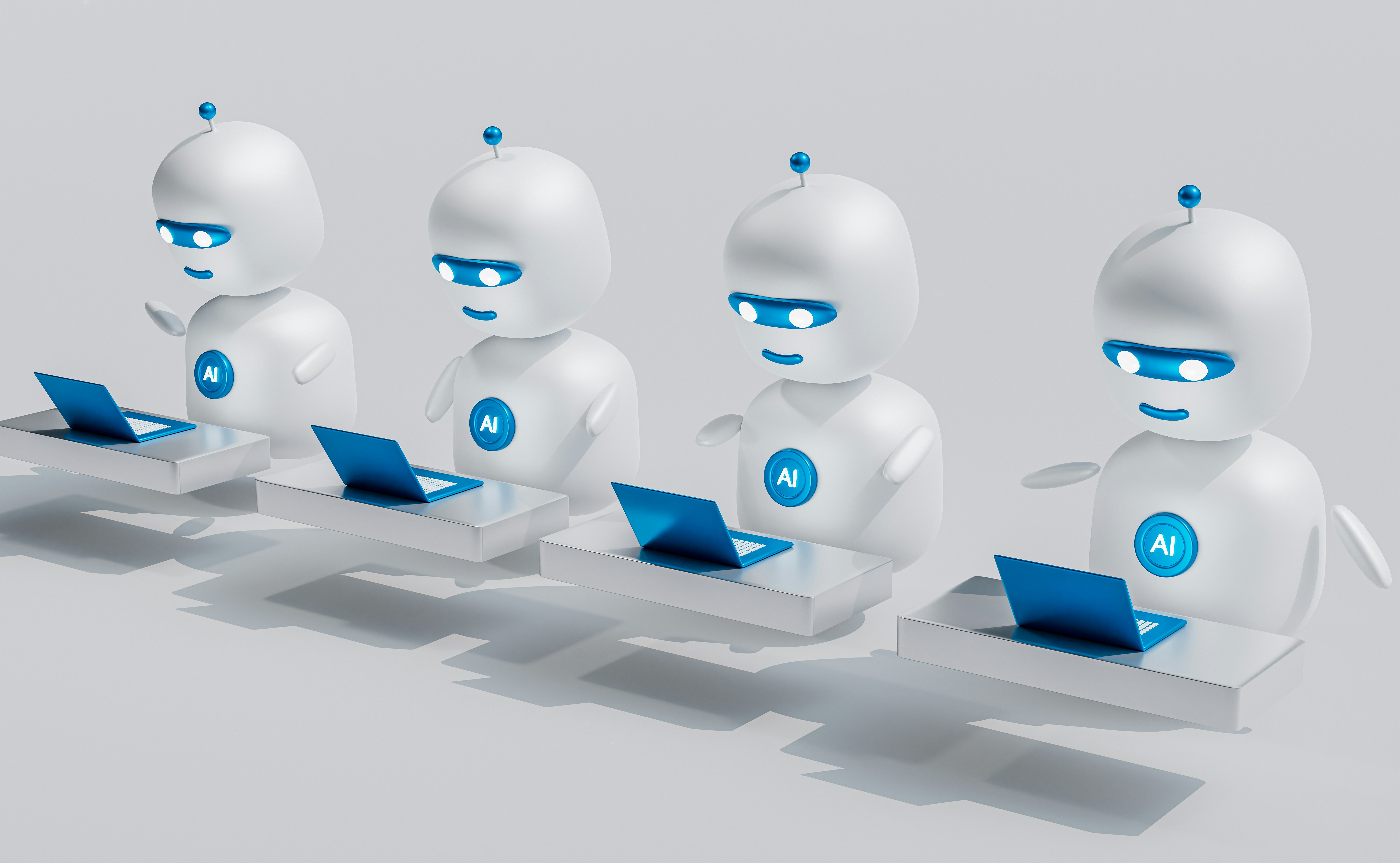
The Rise of AI in the Workforce
Artificial Intelligence (AI) is rapidly becoming an integral part of the modern workforce, fundamentally altering how businesses operate across various sectors. This technology leverages algorithms and machine learning to perform tasks that traditionally require human intelligence, such as problem-solving, decision-making, and pattern recognition. As AI continues to evolve, its implementation in industries ranging from manufacturing to healthcare has gained unprecedented momentum, leading to significant changes in job dynamics.
The impact of AI on traditional jobs is profound. Many roles that once relied heavily on human labor are now being efficiently executed by AI tools, which can enhance productivity and reduce operational costs. For example, AI-powered systems in customer service can process inquiries and resolve issues faster than human employees, leading businesses to reevaluate their staffing needs. As a result, certain jobs are becoming obsolete, while new roles centered around managing and developing AI technologies are emerging.
Understanding the significance of these AI tools is essential for both employees and employers alike. Knowledge of how AI tools are killing traditional jobs provides insight into the future job market and highlights the importance of adapting to changing technologies. Workers must re-skill to remain competitive, developing new competencies that align with an AI-enhanced landscape. Therefore, as we explore the 12 AI tools that are making waves in the employment sector, it is crucial to recognize not only their capabilities but also the implications for the workforce. This awareness will help individuals navigate the shifts in job opportunities and responsibilities that are unfolding in real-time, shaping the future of employment.
AI-Powered Chatbots: Transforming Customer Service
The advent of AI-powered chatbots has marked a significant shift in the landscape of customer service. These intelligent tools enable businesses to provide instant responses to customer inquiries at any time of day, effectively addressing questions and concerns that may arise. Unlike traditional customer service methods, which often rely on human representatives available during limited hours, chatbots can operate continuously, ensuring that customers receive timely support.
One of the primary benefits of integrating chatbots into customer service operations is the increase in efficiency. With the capacity to handle multiple queries simultaneously, AI chatbots significantly reduce wait times for customers, enhancing their overall experience. This instantaneity not only satisfies the immediate needs of consumers but also frees up human employees to tackle more complex issues that require personal interaction, thereby optimizing workforce productivity.
Moreover, the financial implications of employing chatbots are substantial. By automating routine tasks, businesses can lower operational costs associated with hiring and training customer service representatives. The reduction in personnel may raise concerns regarding job loss; however, it is essential to recognize that these AI tools can also create new opportunities. As the landscape evolves, there will likely be a demand for roles related to AI development, maintenance, and oversight.
Despite the advantages presented by AI chatbots, it is critical to consider the potential challenges. While cost savings and efficiency are appealing, the emotional intelligence and nuanced understanding that human customer service representatives provide often cannot be replicated by AI. This raises the question of how companies can strike a balance between embracing technological advancements and preserving the essential human element in customer interactions.
In this context, AI-powered chatbots are not merely tools that are killing traditional jobs; they are transforming the customer service industry into one that is more efficient, cost-effective, and potentially more rewarding for those who adapt to the changing environment.
Robotic Process Automation (RPA): Streamlining Administrative Work
Robotic Process Automation (RPA) has emerged as a pivotal AI tool that significantly impacts the realm of administrative tasks, automating a plethora of repetitive jobs traditionally carried out by human clerks. RPA employs software robots to execute predefined tasks, enabling organizations to efficiently manage operations while minimizing the margin for human error. This technological advancement facilitates the automation of various processes, ranging from data entry to invoice processing and beyond.
One of the primary advantages of RPA lies in its ability to optimize workflow and enhance productivity. By automating mundane tasks, employees can focus their skills on more strategic initiatives that demand human intellect, thereby fostering innovation within an organization. For instance, in the financial sector, RPA is utilized to complete daily reconciliations or generate reports, significantly reducing the time required for these functions. This not only enhances accuracy but also allows financial analysts to allocate their expertise toward more complex analyses.
However, while the benefits of RPA are evident, it also raises concerns regarding job displacement. As organizations increasingly adopt these AI tools, the demand for traditional clerical jobs diminishes. Industries heavily affected include banking, insurance, and healthcare, where back-office functions have been streamlined through automation. For example, medical billing has undergone a transformation with the introduction of RPA, which processes claims rapidly and accurately, thereby reducing the need for clerical staff.
The deployment of RPA in administrative functions signals a shift in job dynamics, necessitating a reassessment of workforce strategies. Organizations must strike a balance between leveraging RPA tools that are killing traditional jobs while ensuring that employees are reskilled to adapt to this evolving landscape. This technology not only promises efficiency but also challenges the conventional employment framework, underscoring a need for strategic employment planning in this new age of automation.
AI in Retail: The Virtual Shopping Assistants
The integration of artificial intelligence in the retail sector has been profound, particularly with the emergence of virtual shopping assistants. These AI tools streamline the shopping experience by providing personalized recommendations, instant customer support, and even guiding consumers through complex purchase decisions. As a result, traditional sales roles are increasingly being replaced by these intelligent systems, which can cater to customers efficiently and consistently.
One prominent example is the use of chatbots on retail websites. Companies such as Sephora have used AI-driven chatbots to engage customers. The chatbot can answer common inquiries, recommend products based on user preferences, and provide assistance during the purchasing process. Such implementations have shown positive results in customer satisfaction and have contributed significantly to reducing the workload of human sales associates.
Moreover, Amazon’s virtual assistant, Alexa, exemplifies how AI can transform retail by enabling voice-activated shopping. Customers can easily add items to their carts or inquire about order statuses, freeing them from the need to engage in lengthy interactions with sales personnel. This not only enhances convenience for shoppers but also minimizes the need for substantial sales staff.
Furthermore, retailers like H&M are leveraging AI tools to analyze customer data and forecast trends, enabling them to make data-informed decisions about inventory and staffing. By utilizing AI algorithms to understand shopping behavior, these retailers can enhance the customer experience while simultaneously reducing the dependency on traditional sales roles. As retailers continue to embrace these technological advancements, the trend of AI tools that are killing traditional jobs will only grow more prevalent.
AI in Manufacturing: The Rise of Smart Factories
Artificial intelligence (AI) technologies are profoundly transforming the manufacturing sector, heralding the emergence of smart factories. These advanced manufacturing ecosystems leverage AI-driven systems, including predictive maintenance and robotics, to streamline production processes and enhance operational efficiency. One of the key benefits of implementing AI in manufacturing is predictive maintenance, which utilizes data analytics to anticipate equipment failures before they occur. By predicting when a machine is likely to require maintenance, manufacturers can minimize downtime, reduce repair costs, and optimize production schedules. This proactive approach not only ensures smoother operations but also enhances the overall reliability of manufacturing infrastructure.
Furthermore, the integration of robotics and automation in factories has revolutionized the way products are assembled. AI-enabled robots can work alongside human employees, taking over repetitive and labor-intensive tasks that aim to improve precision and speed. As these systems become more adept at handling complexities, traditional jobs that were once reliant on human labor are increasingly at risk of being automated. This shift in labor dynamics raises significant questions about the future of skilled labor in manufacturing. While AI tools in manufacturing promise increased productivity, they also threaten to displace workers who may lack the training or skills necessary to adapt to this new technological landscape.
The impact of AI on manufacturing is far-reaching and poses challenges as well as opportunities. As smart factories proliferate, there will be a growing need for workforce retraining and upskilling initiatives aimed at preparing the labor force for a more technology-driven environment. This transition will be crucial for workers to remain relevant in an evolving job market characterized by ongoing advancements in AI tools that are killing traditional jobs.
Content Creation AI: Automating Writing and Design
In the realm of content creation, artificial intelligence has made significant strides, with tools like GPT-3 and DALL-E leading the charge in automating writing and graphic design. GPT-3, developed by OpenAI, is capable of generating human-like text based on prompts it receives. Its ability to compose articles, create marketing copy, and even draft poetry exemplifies how AI tools are reshaping roles traditionally held by human writers and journalists.
Similarly, DALL-E, another innovative tool from OpenAI, generates stunning visual content from textual descriptions. This capability allows for rapid prototyping in graphic design, where visual artists once relied heavily on manual creation. The merge of these AI tools into creative fields introduces both risks and opportunities. While many professionals in writing, journalism, and design may feel threatened by the potential for job displacement, others see AI as a means to amplify their creativity and productivity.
For instance, writers can utilize GPT-3 for generating ideas, enhancing drafts, or even providing research summaries, ultimately allowing them to focus on more strategic aspects of their work. Similarly, designers can leverage DALL-E to generate unique images quickly, thereby freeing them from routine tasks and enabling exploration of more innovative concepts. Such tools not only optimize workflow but also challenge the creative boundaries established by traditional practices.
However, the integration of AI in these creative roles requires a reassessment of what it means to create. The potential for AI tools that are killing traditional jobs to disrupt industries is evident, prompting professionals to adapt and continuously evolve. Embracing these technologies presents an opportunity for individuals to enhance their skill sets and redefine their contributions in the workplace.
AI in Financial Services: Roboadvisors and Beyond
The integration of artificial intelligence (AI) within the financial services industry has notably transformed how financial advice is delivered, particularly through the emergence of roboadvisors. These AI-driven platforms leverage algorithms to analyze vast amounts of data and offer tailored investment advice, significantly changing the landscape of financial planning. Unlike traditional financial advisors, who often rely on personal interaction and subjective judgment, roboadvisors employ quantitative methods for asset management, making them accessible and often more efficient.
Robo-advisory services are largely characterized by their ability to automate complex processes such as portfolio allocation and rebalancing. By utilizing sophisticated algorithms, these tools assess market conditions and individual risk profiles to provide personalized investment strategies. This efficiency tends to result in lower fees compared to traditional advisory services, thereby attracting a larger clientele, particularly among younger investors who may not have the disposable income to afford conventional advisors.
While the adoption of roboadvisors signifies significant advancements in financial technology, it also raises crucial questions regarding the future of traditional jobs in the financial sector. As these AI tools continue to evolve and enhance their capabilities, the potential for job displacement in financial planning and advisory services becomes increasingly pronounced. The trend indicates that human advisors may need to adapt by developing complementary skills that embrace technology rather than compete against it.
Furthermore, the reliance on algorithms presents inherent risks, including potential biases in decision-making or a lack of empathy that human advisors typically provide. Although these challenges highlight the limitations of AI tools, the undeniable efficiency and cost-effectiveness of roboadvisors suggest a transformative future for financial services. This shift illustrates how 12 AI tools that are killing traditional jobs not only improve processes but also compel industries to reevaluate the roles of human figures within their operations.
AI in Healthcare: Diagnostic Tools and Virtual Therapists
The integration of AI in healthcare has revolutionized the sector, particularly through the implementation of diagnostic tools and virtual therapy applications. These technologies leverage vast datasets and advanced algorithms to enhance the accuracy of medical diagnoses and treatment plans. For instance, artificial intelligence systems can analyze medical images much faster and often with equal or greater precision compared to human radiologists. This capability not only increases efficiency but also helps in addressing the shortage of qualified medical professionals in various regions.
Virtual therapists, powered by AI, provide mental health support that is accessible on demand. Through chatbots and interactive applications, individuals can receive therapy-like interactions without the need for face-to-face consultations. This model pervades especially in areas where mental health resources are limited, thus democratizing access to mental health care. However, the rise of these AI tools prompts critical discussions about the implications for traditional roles within healthcare, particularly for doctors and therapists.
On one hand, the efficiency offered by AI technologies has the potential to allow healthcare professionals to focus more on complex cases that require nuanced understanding and decision-making. With AI handling preliminary diagnostics, clinicians can dedicate more time to patient care rather than administrative tasks. Conversely, the efficiency of these AI tools raises concerns about employment. The capability of AI in managing initial patient interactions diminishes demand for certain healthcare roles, leading to a fear of job displacement among professionals.
Ultimately, the discourse surrounding 12 AI tools that are killing traditional jobs in healthcare encapsulates both optimism for innovative advancements and apprehension regarding employment stability. As these technologies continue to evolve, it becomes increasingly essential to find a balance between leveraging AI for improved patient outcomes and preserving the invaluable human elements of compassion and care that healthcare professionals provide.
AI for Marketing: Targeted Campaigns and Analytics
In the digital age, the landscape of marketing is undergoing a fundamental transformation due to the rise of AI tools capable of delivering unprecedented targeted campaigns and sophisticated analytics. Traditional marketing relied heavily on generalized strategies and broad outreach. However, AI technologies are now enabling brands to analyze vast sets of data to discern customer behaviors, preferences, and demographics with remarkable precision. This shift towards data-driven marketing is defining a new era where personalization is not just preferred but expected.
AI tools, such as predictive analytics and machine learning algorithms, facilitate advanced segmentation of target audiences by identifying patterns within consumer data that were previously hard for human marketers to detect. For instance, marketers can utilize AI software to tailor promotional content specifically to segments of audiences based on real-time engagement metrics. This dynamic approach significantly increases the efficacy of marketing campaigns, while reducing costs associated with traditional broad-spectrum advertising methods.
As a direct consequence, there is a diminishing need for conventional marketing roles such as market researchers or media buyers that once played pivotal roles in campaign management. Instead, there is a burgeoning demand for marketing specialists who possess a deep understanding of data analytics and AI-driven tools. These professionals are tasked with interpreting data and deriving actionable insights, allowing companies to adapt their strategies proactively in a fast-paced market.
The automation powered by AI also streamlines campaign management processes that previously required extensive manual oversight. Tasks such as A/B testing, performance tracking, and consumer behavior forecasting can now be executed by AI systems, freeing marketing teams to focus on creative ideation and strategic planning. Therefore, it is evident that the advent of AI tools is not only reshaping marketing strategies but is also redefining the essential skill sets required in modern marketing, ultimately contributing to the continued evolution of the industry.
The Future Job Market: Adapting to AI Integration
The integration of artificial intelligence (AI) into the workplace is becoming a defining feature of the modern job market. As noted, there are 12 AI tools that are killing traditional jobs, illustrating a significant shift in how work is performed across various sectors. This evolution poses both challenges and opportunities, demanding a proactive response from the workforce.
As AI tools continue to automate tasks previously handled by human labor, the skills that were once in high demand may become obsolete. To navigate this evolving landscape, individuals must adapt by developing competencies that align with the needs of the future job market. Upskilling and reskilling are imperative, as they equip workers with the necessary tools to thrive in collaboration with AI technologies.
Moreover, the job market will increasingly reward those who can leverage these AI tools to augment their productivity rather than compete with them. Thus, professions that emphasize creativity, critical thinking, and emotional intelligence are likely to remain resilient against automation. Engaging in continuous education and embracing lifelong learning can help professionals pivot in their careers and remain competitive.
Consequently, diversification of skills has never been more critical. Combining technical skills with soft skills will enhance employability and adaptability in a job market influenced by AI integration. Industries that might see significant changes include administrative roles, manufacturing, and customer service, where AI’s efficiency can revolutionize processes. However, fields that require human interaction, decision-making, and complex problem-solving may still rely heavily on human employees.
In conclusion, adapting to AI integration involves not only acknowledging the changes brought about by these tools but also actively enhancing one’s skillset to maintain relevance. Embracing change and fostering a proactive learning attitude will be essential for workers aiming to succeed in a future job market influenced by emerging technologies.

لا يوجد تعليق