
Introduction to AI in the Workplace
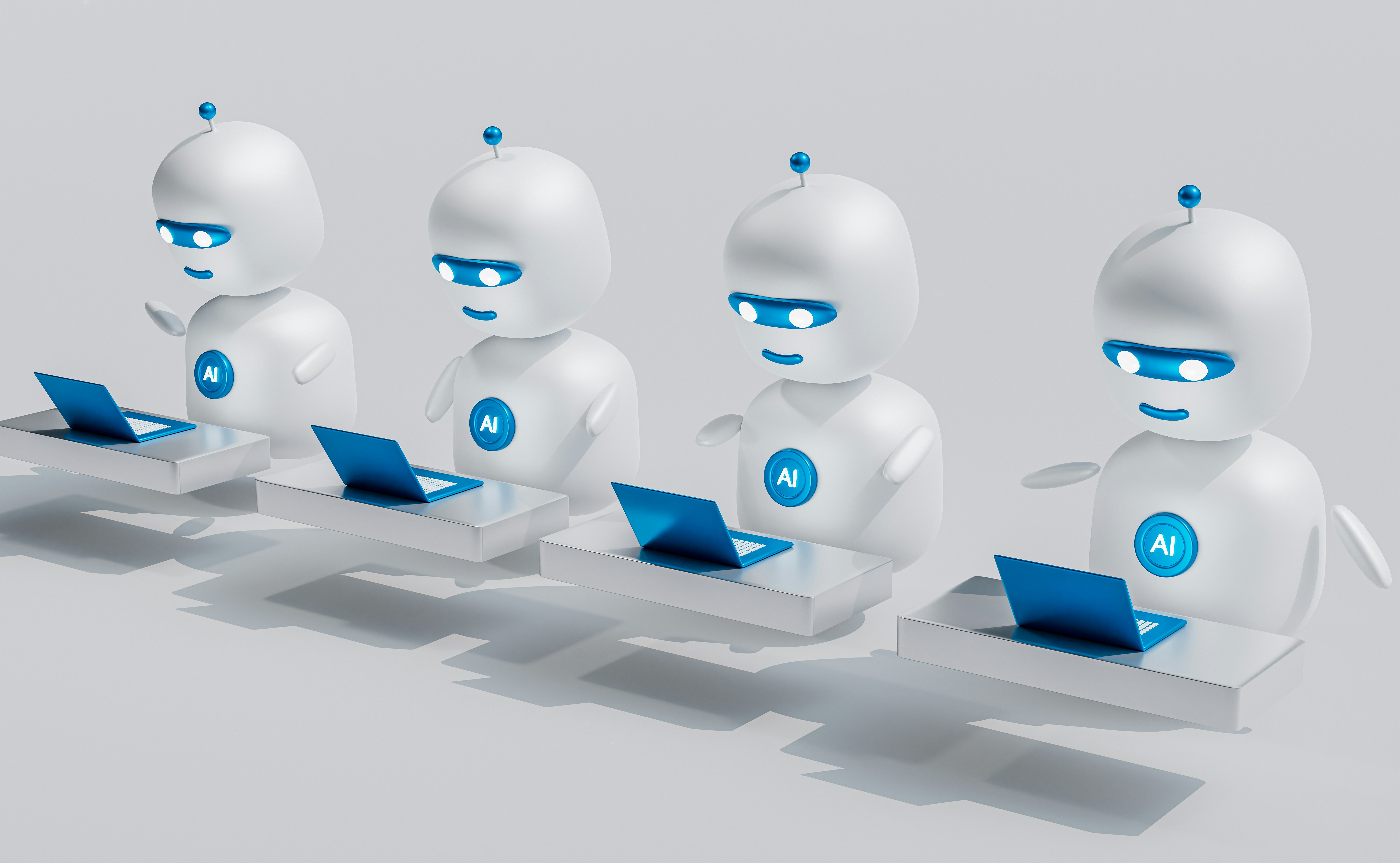
The integration of artificial intelligence (AI) into the workplace is becoming increasingly apparent, fundamentally transforming various sectors. AI technologies have evolved rapidly, and their adoption is not limited to tech companies; rather, they are making significant inroads into industries such as healthcare, finance, manufacturing, and retail. This widespread application of AI tools is reshaping how organizations operate, enhancing productivity, efficiency, and decision-making processes.
One of the primary benefits of AI is its ability to analyze vast amounts of data quickly and accurately. In an age where data-driven decisions are crucial, AI tools enable businesses to glean insights that would be impossible for humans to process in a reasonable time frame. This analytical advantage translates into improved strategies and outcomes, whether in marketing campaigns or operational efficiencies. The rise of AI tools has prompted organizations to re-evaluate their workflows and resource allocations, often leading to a more streamlined approach to work.
Moreover, AI is not just about replacing human roles; instead, it has been noted for augmenting jobs and elevating human potential. Many organizations are employing AI systems to handle repetitive and mundane tasks, allowing employees to focus on higher-level responsibilities that require critical thinking and creativity. This shift in job roles signifies a move towards a more innovative workforce—a trend further propelled by the emergence of numerous AI tools that are changing work forever.
As businesses strive to maintain a competitive edge in an evolving landscape, embracing AI technologies is no longer optional but rather a necessity. The future of work is undoubtedly tied to the advancements in AI, which promise not only to reshape job functions but also to redefine what work means in the modern world.
Understanding AI: What is Artificial Intelligence?
Artificial Intelligence (AI) is a branch of computer science that focuses on creating systems capable of performing tasks that usually require human intelligence. This encompasses a variety of functions including reasoning, learning, perception, and language understanding. AI is not a singular technology but a composite of various techniques and methodologies. The most prominent branches include machine learning and natural language processing, among others.
Machine learning, a subset of AI, allows systems to learn from data and improve their performance over time without being explicitly programmed. By processing vast amounts of data, these tools can identify patterns and make decisions based on their findings. This characteristic is vital in developing AI tools that are changing work forever as they adapt to new information in real time, enhancing productivity and efficiency in workplaces.
Natural language processing (NLP), another significant area of AI, enables computers to understand, interpret, and interact with human language. By applying NLP, AI tools can engage in conversations, provide support in writing and comprehension tasks, and even analyze sentiments in textual data. This technology is transformative in sectors like customer service, content creation, and data analysis.
Traditional software applications typically follow fixed protocols, responding only to predefined inputs with predetermined outputs. In contrast, AI tools implement algorithms that enable them to make autonomous decisions, predict outcomes, and learn from user interactions. This ability to evolve continuously and enhance operational effectiveness sets AI apart from conventional applications, resulting in significant shifts in how tasks are performed across various industries.
Tool 1: Automating Repetitive Tasks with AI
In today’s fast-paced work environment, professionals frequently find themselves bogged down by mundane and repetitive tasks. Fortunately, advancements in artificial intelligence have led to the development of various AI tools designed to alleviate these burdens. One such tool is Zapier, which specializes in automating workflows by seamlessly connecting different applications.
Zapier allows users to create automated workflows, called “Zaps,” which can perform simple tasks without the need for manual input. For instance, when a new email is received in Gmail, Zapier can automatically save the attachments to cloud storage and notify the user via a messaging app. This not only saves time but also reduces the risk of human error, enhancing overall productivity.
The key benefits of using Zapier include the ability to integrate hundreds of apps, intuitive workflow creation, and significant time savings. Businesses have reported reductions in task completion time by up to 80%, allowing employees to redirect their energy towards more impactful and complex projects. This shift enables organizations to maximize their workforce’s capabilities, effectively transforming the way tasks are approached and handled.
Potential use cases for this AI tool extend across various sectors. For example, in marketing, professionals can automate social media posting, lead generation tracking, and customer follow-ups. Meanwhile, operations teams can automate data entry and reporting processes, further optimizing their functions. As such, tools like Zapier illustrate the growing trend of AI in automating repetitive tasks within workplaces, contributing to a more efficient and focused workforce.
In conclusion, AI tools like Zapier are instrumental in streamlining workflows by automating tedious tasks. This not only enhances efficiency but also empowers employees to channel their skills into areas that require critical thinking and innovative solutions, ultimately changing the nature of work forever.
Enhanced Customer Interactions through AI
Artificial Intelligence (AI) has presented a transformative shift in how businesses engage with their customers. AI-powered customer service tools are at the forefront of this change, effectively automating and enhancing interactions to drive customer satisfaction. One significant example of this advancement is the implementation of chatbots and intelligent virtual assistants which leverage machine learning and natural language processing to provide real-time support.
These AI tools are designed to understand and process customer inquiries more accurately and efficiently than traditional methods. Businesses utilizing these technologies can expect faster response times as queries are analyzed and addressed around the clock without the constraints of human availability. This continuous service availability not only increases efficiency but also aligns with the modern consumer’s demand for immediate assistance.
Moreover, AI-enhanced customer interactions facilitate a more personalized experience. By analyzing past customer behavior and preferences, these tools can anticipate needs and provide tailored responses that enhance the overall user experience. This customization is key to retaining clients and improving their satisfaction levels, which in turn can lead to stronger customer loyalty.
The integration of AI in customer service not only streamlines communication but also reduces operational costs for businesses. By automating routine inquiries, companies can redirect human agents to complex cases that require more in-depth knowledge. Consequently, this leads to improved problem resolution rates and establishes a more effective customer service framework.
As organizations increasingly adopt AI technologies, the landscape of customer interaction continues to evolve. The versatile capabilities of AI tools not only help streamline processes but also drive a profound change in how businesses connect with their clients, ensuring that enhanced customer satisfaction remains at the forefront of corporate strategies.
AI-Powered Analytics for Better Decision-Making
In the contemporary business landscape, data-driven decision-making has emerged as a cornerstone of strategic planning and operational efficiency. AI-powered analytics tools are revolutionizing how companies harness their data to gain insights and inform crucial decisions. These tools analyze vast datasets with remarkable speed and accuracy, providing actionable recommendations that enhance productivity and competitiveness.
One prominent example of an AI-driven analytics tool is Google Cloud’s BigQuery. This platform enables organizations to analyze large volumes of data in real time. By utilizing machine learning algorithms, it identifies patterns and trends that would be difficult to detect with traditional analytics methods. This has significant implications for areas such as marketing, operations, and finance, allowing businesses to optimize resource allocation and improve customer targeting.
Another notable case is Tableau, which employs AI to enhance data visualization and insights generation. Its AI functionalities enable users to uncover trends more intuitively, fostering a culture of data literacy across organizations. Companies utilizing Tableau have reported substantial improvements in decision-making efficiency and enhanced collaboration among teams, as data becomes more accessible and understandable.
The integration of AI in analytics is not merely a trend but represents a fundamental shift in how organizations operate. Case studies have demonstrated that companies adopting these advanced analytics tools see a marked increase in operational efficiencies and a more agile response to market changes. For instance, a retail firm that implemented AI analytics reported a 25% reduction in inventory costs due to better demand forecasting, illustrating the profound impact these technologies can have.
Overall, the utilization of AI-powered analytics is indicative of a broader trend in the modern workplace: leveraging technology to amplify human capabilities and improve outcomes. As organizations strive to keep pace with rapidly changing market dynamics, the role of these tools in facilitating informed decision-making cannot be overstated.
Tool 4: Optimizing Project Management with AI
One of the key areas where AI tools are making a significant impact is in project management. The increasing complexity of projects demands a sophisticated approach to tracking progress, allocating resources, and predicting potential delays. An exemplary AI tool that caters to these needs is Asana, which integrates artificial intelligence to streamline project management processes.
Asana’s AI-driven features allow teams to efficiently monitor their projects by offering real-time updates on task completion, deadlines, and team workloads. This level of visibility ensures that all team members are aware of their responsibilities and can coordinate effectively. Additionally, the platform incorporates predictive analytics that forecasts potential bottlenecks, giving teams the opportunity to address issues proactively before they escalate into significant delays.
Furthermore, the integration capabilities of Asana with various other tools enhance its functionality. It can be combined seamlessly with platforms like Slack, Google Drive, and Jira, allowing for a cohesive workflow that reduces the need for constant switching between applications. This interoperability promotes better communication among team members, ensuring that all relevant information is accessible and that decisions are made based on the most current data.
Another noteworthy aspect of this AI tool is its ability to optimize resource allocation. By analyzing past project performance and current team availability, Asana can suggest the most effective distribution of tasks among team members, thereby maximizing efficiency. Such smart resource management not only enables timely project completion but also enhances overall team morale, as workloads are more evenly distributed.
In essence, AI tools like Asana are redefining project management, empowering teams with the capabilities to maintain high productivity while effectively managing their workflows. These advancements signify a major shift in how organizations approach their project management strategies, making the integration of AI tools an essential element in achieving success in today’s fast-paced work environment.
AI Chatbots for Increased Productivity
In today’s fast-paced work environment, efficiency and rapid access to information are paramount for employee productivity. AI chatbots have emerged as a transformative tool that streamlines internal communications and enhances overall work efficiency. By offering instant responses to employee queries, these chatbots significantly reduce the time spent seeking information, allowing employees to focus more on their core tasks.
AI chatbots can be integrated into various communication platforms within an organization, such as intranets or messaging apps. This integration simplifies the process for employees, who can receive answers quickly without navigating complex systems or waiting for human responses. For instance, when an employee has a question regarding company policies, they can engage with the chatbot, which utilizes natural language processing to provide timely and accurate answers. This functionality not only leads to faster response times but also alleviates some of the workload from HR or IT departments.
The productivity gains facilitated by AI chatbots are multifaceted. Not only do they help workers obtain information rapidly, but they also contribute to a more organized and efficient workplace. By handling frequently asked questions—such as inquiries related to benefits, work schedules, and project statuses—chatbots enable human employees to dedicate their time to more complex tasks that require critical thinking and creativity. Additionally, through continuous learning and data analysis, these AI tools refine their responses and adapt to changing organizational needs over time.
As companies continue to adopt AI technologies, the role of chatbots in enhancing workplace productivity cannot be underestimated. They represent a shift towards more agile and responsive internal communications, ultimately leading to a more satisfied and empowered workforce.
Personalized Learning and Development with AI
In an era where employee engagement and development are paramount, AI tools are revolutionizing the way organizations approach personalized learning and development. By leveraging artificial intelligence, companies can provide bespoke training programs tailored to the unique needs and learning styles of each employee, promoting a more efficient and motivating environment.
AI-driven learning tools analyze individual performance metrics, learning patterns, and preferences, enabling organizations to customize training content accordingly. This personalized approach ensures that employees receive relevant materials that not only address skill gaps but also align with their career aspirations. For instance, employees who learn best through hands-on experience can be offered interactive simulations, while others may prefer video tutorials or reading materials.
The benefits of implementing personalized AI tools in employee development are manifold. Firstly, they facilitate a more engaged workforce. When training programs resonate with individual learning preferences, employees are more likely to take part actively, resulting in higher retention of information and greater application of skills in real-world scenarios. Furthermore, by streamlining development efforts, organizations can improve employee satisfaction and retention rates. Employees who feel valued and supported in their growth are less likely to seek opportunities elsewhere.
Additionally, these AI tools also help organizations identify high-potential employees, allowing for targeted leadership development initiatives. By equipping employees with the necessary skills and knowledge, companies can cultivate a pipeline of future leaders, thus strengthening their internal talent pool. Overall, incorporating personalized learning and development with AI is not simply about enhancing training processes; it’s a strategic approach to empowering employees that can lead to organizational success in the long term.
Tool 7: AI in Recruitment and Talent Acquisition
In the evolving landscape of recruitment, AI tools have emerged as transformative assets aimed at optimizing the hiring process. These tools leverage advanced algorithms and machine learning to streamline talent acquisition, allowing organizations to be more efficient and effective in their hiring endeavors. By automating repetitive tasks such as resume screening and initial candidate assessments, AI significantly reduces the time it takes to identify suitable candidates.
One of the primary advantages of utilizing AI in recruitment is its ability to minimize bias in the hiring process. Traditional recruitment methods often rely on subjective human judgment, which can inadvertently lead to discrimination based on gender, ethnicity, or other personal characteristics. AI tools, on the other hand, analyze resumes and applications based on objective criteria, focusing solely on the skills and experiences relevant to the job. This shift not only promotes fairness but also enhances diversity within the workplace.
Furthermore, AI tools contribute to improving candidate selection by utilizing data analytics to predict the success of candidates in specific roles. By evaluating a multitude of factors, including past performance metrics and cultural fit, these tools assist recruiters in making informed decisions. The result is a more refined hiring process that aligns candidates’ skills with organizational needs.
The overall recruitment experience is enhanced for both candidates and hiring managers. Candidates benefit from a more streamlined application process, receiving timely feedback and updates regarding their application status. Hiring managers are empowered to focus on strategic activities rather than manual administrative tasks, allowing them to engage in more meaningful interactions with potential hires. In this context, it is clear that AI tools are fundamentally reshaping recruitment and talent acquisition, promoting efficiency, reducing bias, and improving the overall hiring landscape.
Conclusion: The Future of Work with AI Tools
The integration of AI tools in the workplace is fundamentally reshaping how we perceive and perform our jobs. The 10 AI tools that are changing work forever have not only streamlined day-to-day operations but also fostered unprecedented levels of innovation and efficiency across various sectors. Companies leveraging these technologies have reported significant enhancements in productivity, allowing employees to focus on higher-level tasks that require creative and strategic thinking.
Moreover, the automation of routine tasks has facilitated smoother workflows by minimizing errors and accelerating project timelines. For example, tools that utilize natural language processing are revolutionizing customer service and communication, resulting in more responsive and personalized interactions. The benefits of adopting AI tools extend beyond individual workplaces, positively influencing overall industry standards and setting new benchmarks for excellence.
As organizations embrace these advancements, it is clear that adaptation is crucial. The future of work with AI tools suggests a trend towards a more collaborative and data-driven approach. Companies are increasingly tasked with fostering environments where human intelligence and AI can coexist and complement each other. This synergy is expected to not only lead to significant cost savings but also generate innovative products and services that can anticipate consumer needs.
The continuing evolution of AI technology holds the promise of further transforming how we work. Looking ahead, developments in machine learning, robotics, and data analytics offer intriguing possibilities that could redefine job roles and create new opportunities in the workforce. As we move through this digital transformation, it is essential for organizations to recognize the value of embracing such tools, as they are indeed pivotal in shaping a more efficient and future-ready workplace.

لا يوجد تعليق