
Introduction to AI Tools in the Workplace
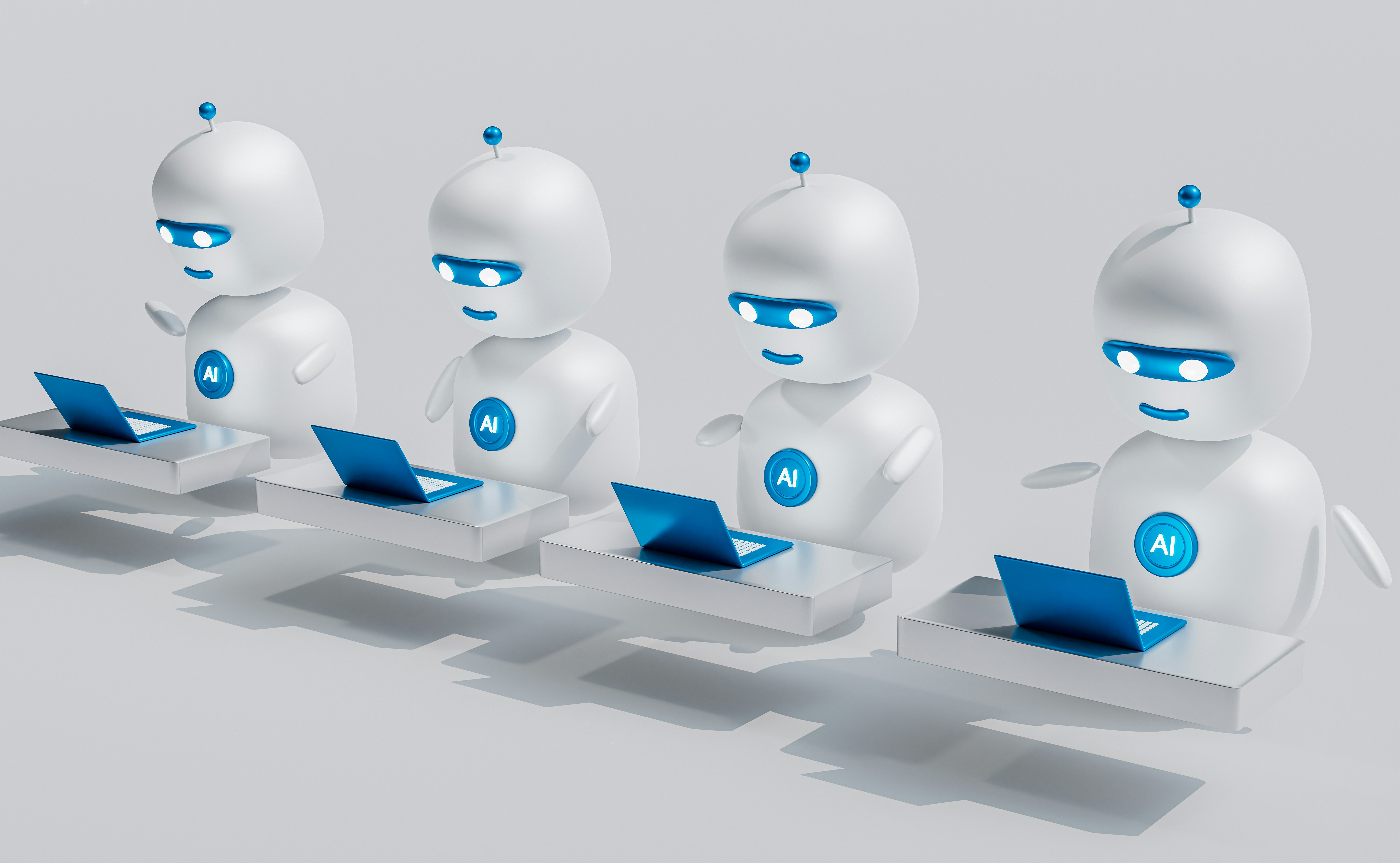
Artificial intelligence (AI) has emerged as a transformative force across various industries, reshaping how organizations operate and how employees perform their tasks. AI tools are increasingly being integrated into the workplace, offering capabilities that enhance efficiency, improve accuracy, and manage repetitive tasks. The growing presence of these advanced technologies signifies a shift towards a more automated environment, where AI can complement or, in some cases, replace human effort.
One of the primary benefits of utilizing AI tools in the workplace is their ability to handle vast amounts of data quickly and error-free. For instance, AI algorithms can analyze patterns and trends that would be invisible to human analysts, leading to more informed decision-making. Moreover, these tools can automate mundane tasks, allowing employees to focus on more strategic initiatives. As organizations leverage AI tools, they can achieve higher productivity levels while also reducing error rates in processes that require precision.
While the benefits of AI are substantial, there are also implications to consider. The automation of specific job functions raises concerns about workforce displacement and altering job roles. Certain positions may become redundant as AI tools become increasingly capable. This shift necessitates that workers adapt to new technologies and skills that cannot be easily replicated by machines. Employees must be open to continual learning as roles evolve, ensuring they remain relevant in a dynamic job landscape.
As we delve deeper into the 10 insane AI tools that can do your job better than you, it is crucial to recognize the growing role of AI in the workplace and prepare for its implications on employment, productivity, and the future of work itself.
Understanding AI Tools and Their Mechanisms
AI tools leverage advanced algorithms designed to analyze large sets of data and perform tasks typically executed by humans, enhancing efficiency and productivity. The foundation of these tools lies primarily in two technology domains: machine learning and natural language processing. Machine learning enables systems to learn from data patterns without being explicitly programmed, while natural language processing focuses on the interaction between computers and human languages, allowing for seamless communication and comprehension.
In practice, AI tools can automate repetitive tasks, improve decision-making processes, and provide insights that would be nearly impossible for a human to glean from raw data. For example, in the customer service sector, AI chatbots utilize natural language processing to understand and respond to customer inquiries promptly, significantly reducing waiting times and improving user satisfaction. Similarly, in the field of data analysis, machine learning models can identify trends and predict outcomes with remarkable accuracy, helping businesses to strategize effectively.
The operational mechanics of these AI tools revolve around vast amounts of training data, from which the algorithms learn and adapt. As they are exposed to more data through continuous interaction, their performance often improves, showcasing the scalable nature of AI technologies. Furthermore, automation – one of the most essential aspects of AI tools – allows for minimal human intervention, which not only saves time but also reduces the likelihood of human error.
Across various industries, including healthcare, finance, and marketing, the adoption of AI tools has proven to optimize workflows and enhance productivity. Through thoughtful integration of AI, organizations can focus on strategic goals while allowing machines to handle mundane tasks, showcasing the potential of these tools to outperform traditional practices in numerous domains.
AI Tool for Content Creation: Jasper
In today’s fast-paced digital environment, content creation is crucial for businesses and individuals alike. One of the standout AI tools designed specifically for this purpose is Jasper, an innovative platform that streamlines the process of generating high-quality content. With its advanced algorithms, Jasper can produce articles, social media posts, marketing copy, and much more in a matter of seconds.
Jasper utilizes natural language processing (NLP) technology to understand context and generate text that is coherent and engaging. This tool not only saves time but also enhances the quality of content by minimizing common writer’s block and fatigue that many content creators face. Users can input specific parameters or keywords, and Jasper generates tailored content that aligns with their needs, making it one of the leading AI tools that can do your job better than you.
Real-life examples underscore Jasper’s effectiveness. A digital marketing agency reported that using Jasper reduced their content creation time by 70%, allowing their team to focus on strategizing rather than writing. Furthermore, testimonials from marketers highlight its versatility; they appreciate how Jasper can adapt its tone and style according to the target audience, whether for a formal press release or a casual blog post.
Moreover, Jasper’s user-friendly interface makes it accessible for writers of all skill levels. With features like templates for specific types of content and the ability to learn from past interactions, Jasper continues to evolve as a valuable resource. As more businesses turn to AI-driven solutions, tools like Jasper stand out as indispensable allies in the quest for efficient content production.
AI Tool for Graphic Design: Canva’s Magic Write
Canva’s Magic Write feature represents a significant advancement in the realm of graphic design, leveraging artificial intelligence to empower users in creating stunning visuals with ease. This innovative tool simplifies the graphic design process, making it accessible to individuals who may lack traditional design skills. By using AI to generate content and design suggestions, Magic Write streamlines the workflow, enabling users to focus on their creative vision rather than wrestling with complex design software.
One of the standout functionalities of Canva’s Magic Write is its ability to analyze design trends and user preferences. This ensures that the generated graphics are not only relevant but also appealing to the target audience. Users can easily input their ideas or themes, and the AI responds with customized design templates, fonts, and color palettes that enhance the visual appeal of the final product. Such personalized assistance removes much of the guesswork traditionally associated with graphic design.
Moreover, this AI-driven feature enables real-time collaboration, which is increasingly vital in team-oriented environments. Multiple users can contribute to a project simultaneously, with Magic Write facilitating seamless updates and modifications based on individual inputs. This enhanced collaborative aspect not only improves productivity but also fosters a creative synergy among team members, effectively bridging the gap between novice and experienced designers. Overall, Canva’s Magic Write epitomizes how 10 insane AI tools that can do your job better than you are fundamentally transforming the way we approach graphic design.
GitHub Copilot: Revolutionizing Code Development
GitHub Copilot is an advanced AI-powered coding assistant that significantly enhances the programming experience for developers. Designed to streamline the coding process, this tool leverages machine learning algorithms to offer pertinent code suggestions that align with the developer’s current task. By producing contextual code snippets, GitHub Copilot helps developers write code more efficiently, minimizing the time spent on repetitive or standard coding tasks.
Not only does it assist in code generation, but GitHub Copilot is also equipped to aid in debugging. When developers encounter errors or bugs, the tool can suggest potential fixes by analyzing the existing code and understanding the underlying logic, thereby facilitating a faster resolution. This capability proves invaluable, as resolving bugs can often consume a considerable amount of a developer’s time.
The versatility of GitHub Copilot makes it an asset for programmers of all skill levels. Novice developers benefit from real-time guidance as they learn the intricacies of programming languages, while seasoned professionals can utilize the tool to accelerate their workflow. This collaborative experience with an AI assistant not only boosts productivity but also fosters creativity, allowing developers to focus on more complex aspects of their projects.
As the landscape of software development continues to evolve, tools like GitHub Copilot exemplify how AI can improve the coding process. By providing intelligent suggestions and simplifying debugging, this remarkable tool is indeed one of the “10 insane AI tools that can do your job better than you,” ultimately transforming how developers approach their work. As AI technologies advance, it is anticipated that such tools will become increasingly integral to the programming industry.
AI Tool for Customer Service: ChatGPT
In today’s rapidly evolving digital landscape, efficient customer service is a critical component of business operations. Artificial intelligence has emerged as a game-changer in this domain, with tools like ChatGPT setting new standards for customer interaction and support. Developed by OpenAI, ChatGPT is a cutting-edge conversational AI designed to handle a multitude of customer inquiries with precision and speed.
ChatGPT excels at providing immediate assistance, allowing businesses to respond to customer queries around the clock. Leveraging natural language processing, it understands and generates human-like responses, which significantly enhances user experience. Companies that have integrated ChatGPT into their customer service infrastructure have reported notable improvements in response times and customer satisfaction rates. For example, a leading e-commerce platform utilized ChatGPT to manage basic inquiries, which resulted in a reduction of customer wait times by over 50%.
Moreover, ChatGPT can easily manage multiple conversations simultaneously, freeing human agents to tackle more complex issues. This capability is especially beneficial during peak times when customer inquiries surge, as it ensures that all customers receive timely support. Various businesses across different sectors, including finance and retail, have successfully incorporated this AI tool into their operations, noting that it not only enhances efficiency but also drives down operational costs.
In essence, ChatGPT epitomizes the potential of artificial intelligence in customer service. Its ability to learn from interactions allows it to continually refine its responses, making it an invaluable asset for companies looking to improve their service delivery. As more businesses recognize the advantages of deploying AI tools like ChatGPT, the future of customer service looks promisingly bright.
AI Tool for Data Analysis: Tableau’s AI Features
Tableau is a renowned data visualization tool that has significantly advanced its capabilities through the integration of artificial intelligence. Among the remarkable features offered are automated insights, natural language processing, and predictive analytics, all designed to empower users – even those without extensive technical expertise – to gain meaningful insights from their data.
One of the key AI functionalities within Tableau is its ability to automatically analyze datasets and highlight critical insights, thereby facilitating rapid decision-making. Users can benefit from features like ‘Ask Data,’ which allows them to query their data using everyday language. This means that even individuals without a deep understanding of data science can create complex visualizations and extract pertinent information efficiently.
Moreover, Tableau’s AI-enhanced features help in identifying trends and anomalies, which are essential for making data-driven decisions. The software intelligently recognizes patterns that may not be readily apparent, allowing organizations to react promptly to shifts in the market or operational inefficiencies. With the predictive analytics feature, users can foresee future trends based on historical data, thus equipping them with the tools necessary to stay ahead of the competition.
By leveraging these AI tools, Tableau transforms how organizations approach data analysis. The platform not only streamlines the process of data visualization but also elevates the overall analytical capacity of users, regardless of their proficiency level. Thus, Tableau becomes not just a tool for visualization but an essential partner in an organization’s pursuit of data-driven excellence.
AI Tool for Human Resources: HireVue
In the landscape of modern recruitment, HireVue emerges as a transformative AI tool that significantly enhances the hiring process. By utilizing advanced artificial intelligence algorithms, HireVue analyzes video interviews, offering Human Resource (HR) departments a data-driven approach to evaluate potential candidates. This innovative tool does not merely record interviews; it dissectively assesses verbal and non-verbal cues, enabling a more comprehensive understanding of a candidate’s fit for the role.
One of the primary advantages of employing HireVue is its ability to streamline the recruitment process. Recruiters often face the challenge of sifting through hundreds, if not thousands, of applications. HireVue mitigates this challenge by offering objective insights based on consistent criteria, which can reduce the time spent on initial screenings. This allows HR professionals to focus on engaging with high-potential candidates rather than being bogged down by preliminary evaluations.
Moreover, HireVue’s AI capabilities extend beyond simple assessments. It generates analytics that highlight the competencies and attributes correlated with success in specific roles. This feature provides HR teams with valuable data to make informed hiring decisions, ensuring that chosen candidates not only possess the necessary skills but also align well with company culture.
Furthermore, integrating HireVue into the hiring process can help diminish biases often present in traditional recruitment methods. By relying on data-driven assessments instead of subjective judgments, companies can create a more equitable hiring framework. This aspect of HireVue aligns well with the growing demand for diversity and inclusion in the workplace.
In conclusion, HireVue exemplifies how AI tools are revolutionizing human resources, providing organizations with the means to enhance their recruitment strategies through insightful analysis and data-driven decision-making.
Salesforce Einstein: The AI Tool Revolutionizing Sales
In the rapidly evolving world of sales, companies are increasingly turning to advanced AI solutions to optimize their strategies and improve outcomes. One such solution is Salesforce Einstein, an innovative artificial intelligence tool designed to empower sales teams. By harnessing the power of predictive analytics, Salesforce Einstein enhances lead scoring, customer targeting, and sales forecasting, allowing sales professionals to focus on what they do best: closing deals.
At the core of Salesforce Einstein’s capabilities is its ability to analyze vast amounts of data quickly and efficiently. By utilizing machine learning algorithms, it assesses historical sales data and identifies patterns that can significantly improve lead scoring. This ensures that sales representatives spend their valuable time pursuing the most promising leads rather than investing effort in low-potential opportunities. As a result, businesses experience higher conversion rates and overall increased revenue.
Another critical feature of Salesforce Einstein is its customer targeting capabilities. The AI tool evaluates customer profiles and behavioral data to provide insightful recommendations for personalized outreach. By catering to individual customer preferences and needs, sales teams can craft tailored messages that resonate with prospects, fostering stronger relationships and improving engagement levels. This customer-centric approach not only enhances the customer experience but also drives the likelihood of successful sales outcomes.
Moreover, Salesforce Einstein empowers sales teams with accurate sales forecasting. By analyzing market trends and predicting future sales performance, it allows organizations to make more informed strategic decisions. This intelligence can be invaluable in resource allocation, budgeting, and identifying growth opportunities, ultimately positioning businesses for long-term success in a competitive marketplace.
In conclusion, Salesforce Einstein exemplifies how AI tools can truly revolutionize the sales process. By optimizing lead scoring, enhancing customer targeting, and improving sales forecasting, this advanced tool demonstrates how technology can empower sales professionals to perform their jobs more effectively than ever before.
AI Tool for Project Management: Trello with Butler
Trello is widely recognized as a powerful tool for project management, and its Butler feature enhances its capabilities by incorporating artificial intelligence. Butler automates various tasks within Trello, which significantly streamlines workflows and fosters better collaboration among team members. This AI tool is designed to reduce the administrative burden that often falls on project managers, allowing them to focus on more strategic aspects of their projects.
At its core, Butler leverages rules and commands to automate routine processes. For instance, it can automatically move cards between lists, assign tasks to team members, or update card due dates without requiring manual input. This automation not only saves time but also minimizes the risks associated with human errors. With the rise of remote work, the need for tools that can enhance productivity and efficiency has become paramount; Butler serves this purpose to great effect.
Furthermore, Butler provides customizable automation tailored to specific workflows. Project managers can create rules based on triggers such as card movements or deadline adjustments, ensuring that all team members are kept informed in real-time. This functionality promotes transparency and improves ongoing communications among team members, ultimately leading to better project delivery outcomes.
Utilizing AI-powered tools like Trello with Butler is increasingly becoming a necessity in today’s fast-paced work environment. By adopting such solutions, organizations can stay ahead in managing project tasks more effectively, thereby enhancing the overall team performance. In a landscape where numerous AI tools are vying for attention, the combination of Trello and Butler distinctly stands out as a forward-thinking approach to project management.
Conclusion: Embracing AI in Your Career
As we have explored the 10 insane AI tools that can do your job better than you, it is evident that these technologies present both opportunities and challenges in the workplace. Rather than viewing AI as a threat, professionals should embrace these advancements as a means to enhance productivity and creativity. The integration of AI tools can automate repetitive tasks, analyze data at unprecedented rates, and assist in strategic decision-making, thus allowing employees to focus on more complex, value-driven activities.
Adopting AI in your career does not signify a loss of employment; instead, it engages you in a transformative process that can elevate your professional capabilities. By understanding how to work alongside these tools, professionals can significantly improve their efficiency and effectiveness. Continuous learning and adapting to new technologies will be crucial for remaining competitive in a rapidly evolving job landscape. Embracing lifelong learning will not only equip individuals with the necessary skills to utilize AI tools but also foster innovation and creativity.
Organizations that promote an AI-friendly culture will empower their workforce to leverage these technologies fully. This forms a synergistic relationship, where humans collaborate with intelligent systems to achieve extraordinary outcomes. The fear of job displacement should be replaced with a proactive approach to harnessing the full potential of AI solutions while evolving in your career. Looking ahead, positioning oneself as a knowledgeable user of AI tools will not only enhance individual career prospects but also contribute to the overall success of the organization.

لا يوجد تعليق