
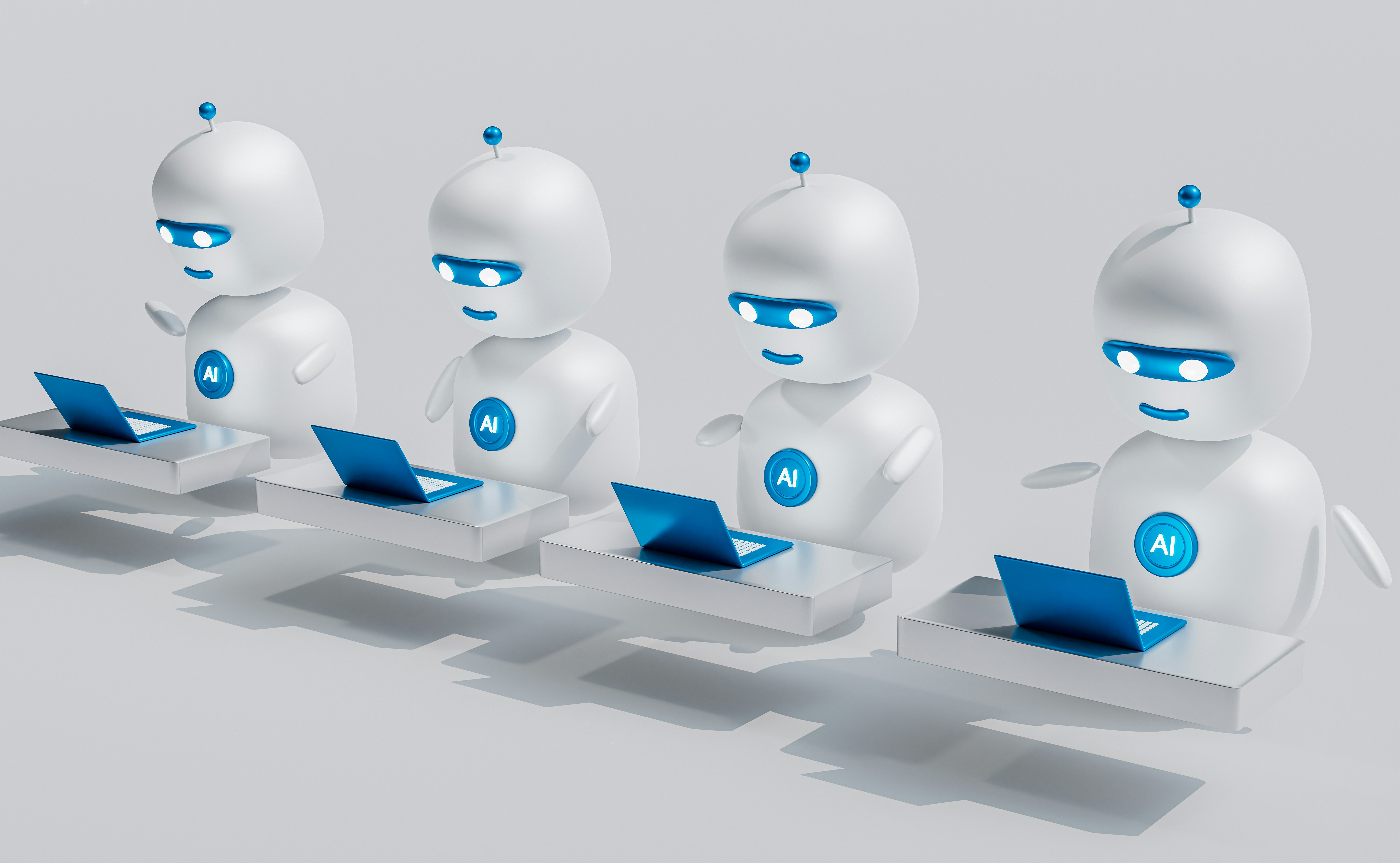
Introduction: The Ascendance of AI
The rapid development of artificial intelligence (AI) technologies has been one of the most notable trends of the last decade. As these technologies evolve, they are becoming increasingly integrated within various sectors, fundamentally transforming how tasks are executed. AI systems are designed to learn and adapt, making them capable of analyzing vast datasets and providing insights that were previously unattainable by human analysis alone. From manufacturing and healthcare to finance and customer service, the proliferation of AI tools is reshaping traditional job roles.
As we approach the year 2026, the prevalence of 10 AI tools that will replace your job in 2026 is not just a distant possibility; it is an impending reality. This rapid progression raises significant questions regarding job displacement and the future of work. While AI can enhance productivity and efficiency, it also poses challenges for many workers whose roles may be automated. The capabilities of AI systems extend to tasks once deemed exclusive to human expertise, such as decision-making, creative processes, and even complex problem-solving.
A growing body of evidence suggests that AI technologies are set to influence the labor market in unprecedented ways. Reports from industry experts indicate that entire job categories may become obsolete due to AI’s ability to perform tasks with greater accuracy and speed. As we explore the implications of AI on employment, it is crucial to understand that this technology is more than just a tool; it is a transformative force that is now influencing business practices and workforce dynamics.
Thus, as we stand on the brink of this new technological era, awareness and preparation are vital. Understanding these 10 AI tools that will replace your job in 2026 will not only help workers anticipate changes in the landscape but also encourage the development of new skill sets that align with the future workforce needs.
Understanding AI and Job Automation
Artificial Intelligence (AI) refers to the simulation of human intelligence in machines that are programmed to think and learn. These systems can analyze data, recognize patterns, and make decisions with minimal human intervention. A significant aspect of AI is its capacity for machine learning, where algorithms improve their performance as they process more data. This self-learning ability positions AI as a formidable player in various industries.
Job automation encompasses the use of technology to perform tasks that traditionally required human labor. The integration of AI tools into the workforce is reshaping job landscapes. While it enhances productivity and efficiency, it raises concerns about the displacement of workers. As AI continues to improve, we are witnessing a shift in job roles across sectors such as manufacturing, customer service, and healthcare.
Current trends indicate that AI tools are increasingly taking over repetitive and routine tasks, allowing human workers to focus on more complex and strategic activities. However, this transition poses questions about the future job market. As we approach 2026, it is predicted that many positions may become obsolete due to advancements in AI technologies. Businesses are already restructuring their workforce, emphasizing the need for skills that complement AI capabilities rather than compete with them.
The dialogue around job automation and AI tools highlights the importance of continuous learning and adaptation in the workforce. Workers must evolve their skillsets to remain relevant and productive in an AI-driven environment. By understanding AI and its implications on job automation, we can prepare for the future and navigate the potential changes that lie ahead.
AI-Powered Writing Assistants
As we approach 2026, the rapid advancement of technology has given rise to various AI-powered writing assistants that are transforming the landscape of content creation. These sophisticated tools are designed to assist writers, editors, and content creators by automating various aspects of the writing process. By leveraging natural language processing and machine learning algorithms, AI writing assistants can produce high-quality content efficiently, thereby posing a significant challenge to traditional writing jobs.
One of the key features of these AI tools is their ability to understand context and generate coherent text based on minimal input. They can help writers brainstorm ideas, structure articles, and even create entire drafts. Among the notable mention in this sector are tools like OpenAI’s ChatGPT, Grammarly, and Jasper, which provide features such as grammar checking, style suggestions, and plagiarism detection. The integration of such features not only streamlines the writing process but also enhances the quality of the final output.
Moreover, these AI tools can personalize content based on specific audience preferences, further increasing their utility in marketing and communication. As a result, organizations are beginning to rely on AI writing assistants to produce everything from blog posts to marketing copy at an unprecedented scale. This shift raises important questions about job security in the writing and editing professions, as many tasks that were once carried out by human workers can now be managed efficiently by AI.
In summary, the emergence of AI-powered writing assistants signifies a potential shift in the job market for content creators. As these tools become more sophisticated and integrated into everyday workflows, professionals in the writing industry will need to adapt and evolve, focusing on higher-level creative tasks that require a human touch, ultimately redefining the role of a writer by 2026.
Tool #2: Predictive Analytics Platforms
Predictive analytics platforms represent a significant advancement in the integration of artificial intelligence (AI) within various sectors, particularly in marketing, data analysis, and strategic planning. These tools utilize algorithms and statistical models to analyze historical data, recognize patterns, and forecast future outcomes. By harnessing vast datasets, predictive analytics can provide organizations with actionable insights that enhance decision-making processes and resource allocation.
As we approach 2026, the impact of these AI tools on the workforce becomes increasingly evident. Traditionally, roles such as data analysts and marketing strategists rely heavily on manual interpretation of data and trend analysis. However, with the emergence of sophisticated predictive analytics platforms, many of these functions can be automated. For example, AI-powered tools can evaluate consumer behavior, segment markets, and even suggest optimal marketing strategies without significant human intervention.
The efficiency and accuracy offered by predictive analytics not only streamline operations but also reduce the need for extensive teams of analysts. Companies that adopt these technologies can expect to see a decrease in workforce requirements related to data analysis and marketing roles. As these AI systems continue to evolve, the potential for replacing specific job functions becomes more pronounced. This transition will necessitate a shift in the skill sets required in the job market, as employees will need to adapt to working alongside AI rather than performing tasks that can be readily automated.
In conclusion, predictive analytics platforms are set to redefine the landscape of numerous professions. By automating the analytics processes that have long been the domain of human workers, these AI tools hold the potential to replace traditional jobs in 2026 and beyond, leading to a fundamental transformation in the workplace.
Intelligent Customer Support Bots
In recent years, artificial intelligence has revolutionized customer service through the introduction of intelligent customer support bots. These AI-powered tools have the capability to efficiently manage client interactions, providing immediate assistance and resolving issues without human intervention. As technology progresses, it is becoming increasingly evident that these advanced tools are not just enhancements but are likely to replace certain jobs in customer service by the year 2026.
Intelligent customer support bots utilize machine learning algorithms and natural language processing to understand and respond to customer inquiries effectively. They can handle a wide array of tasks, including answering frequently asked questions, troubleshooting basic problems, and even guiding users through complex procedures. Their ability to operate 24/7 ensures that customers receive instant support, improving overall satisfaction while reducing wait times associated with human agents.
Moreover, these bots can be integrated with existing customer relationship management (CRM) systems, enabling them to access customer data and history in real-time. This integration allows the bots to provide personalized support, which is a significant advantage over traditional customer service methods. As a result, businesses can not only streamline operations but also enhance the quality of service offered to their clients.
The implementation of intelligent customer support bots is likely to lead to a diminishing need for some roles in customer service. Positions focused primarily on routine inquiries or ticket resolution could face redundancy as organizations embrace these AI tools for efficiency and effectiveness. Therefore, it is essential for those currently employed in customer support to adapt by developing skills that complement the capabilities of AI, ensuring they remain relevant in a rapidly changing job market.
Robotic Process Automation (RPA)
Robotic Process Automation, commonly referred to as RPA, is a transformative technology designed to automate repetitive and rule-based tasks traditionally performed by humans. RPA utilizes software bots to execute a variety of tasks across multiple business functions, significantly enhancing operational efficiency and accuracy. These tools can be employed in sectors such as finance, human resources, customer service, and supply chain management, where they can automate routine processes like data entry, invoice processing, and report generation.
One prominent aspect of RPA is its ability to integrate seamlessly with existing business applications without the need for extensive modifications. This denotes that organizations can adopt RPA solutions to streamline their operations with minimal disruption to their current workflows. By handling mundane tasks, RPA allows human employees to focus on more complex job functions that require critical thinking and creative problem-solving skills. As a result, RPA tools contribute to optimization of resource allocation within organizations, driving productivity and profitability.
The rise of RPA tools is indicative of a broader trend toward automation in business environments, as they are expected to become an integral part of office operations. By 2026, it is anticipated that many roles within administrative fields might be rendered obsolete due to implementation of these solutions. Consequently, professionals in these roles should begin preparing for a transition into more strategic functions that complement AI technologies. The potential of RPA is vast, and its continued evolution will likely lead to further advancements in job replacement as businesses seek to leverage technology to remain competitive in a fast-paced market.
AI in Financial Analysis
The landscape of financial analysis is undergoing a significant transformation, largely attributed to the advent of AI-driven tools. These advanced technologies leverage machine learning algorithms and vast datasets to analyze financial information more efficiently than human counterparts. Tools leveraging AI in financial analysis can process intricate data sets, identify trends, and generate actionable insights, thereby reducing the time required for decision-making and error margins.
One prominent application of AI in finance is in risk assessment and management. Financial analysts often spend considerable time evaluating risks associated with investments, loans, and market fluctuations. AI tools, equipped with predictive analytics capabilities, can scan historical data, assess real-time market conditions, and simulate various economic scenarios. This empowers organizations to make informed choices while minimizing potential losses. Furthermore, the accurate risk modeling provided by AI significantly enhances compliance with regulatory requirements, which can often be a labor-intensive process for finance departments.
Additionally, the automation of routine reporting is another function where AI excels, generating detailed financial reports without human intervention. These tools can collate data from multiple sources, providing a comprehensive overview of a firm’s financial health in minutes rather than hours. This not only streamlines workflows but also allows finance professionals to focus on strategic roles rather than mundane tasks. The efficiency of AI in generating reports and insights raises questions about the future of traditional financial analyst positions and whether they will be completely replaced by such technology.
As we move closer to 2026, it is expected that the integration of AI tools in financial analysis will only deepen. Organizations will increasingly rely on AI-driven platforms to enhance productivity and ensure accuracy in their financial operations, hinting at a significant shift in the roles within finance and accounting sectors.
Tool #6: AI-Driven Design Software
As artificial intelligence continues to evolve, the realm of design is witnessing a significant transformation, particularly through AI-driven design software. These tools leverage machine learning algorithms to generate visual content, automate repetitive tasks, and enhance creativity within the design processes. Designers and digital artists must adapt to this transformative landscape, as these advanced tools could potentially replace traditional roles in the near future, with estimates suggesting profound impacts by 2026.
AI-powered design software can assist in various ways, from generating unique design elements based on specified parameters to automating layout configurations. This efficiency allows designers to focus more on high-level creativity rather than tedious execution. For instance, tools like Adobe Sensei and Canva’s Magic Resize optimize workflows by automatically resizing and adjusting designs for different platforms, thus saving valuable time.
Furthermore, these platforms often utilize data analytics to predict design trends, enabling users to stay ahead of the curve. By analyzing vast amounts of visual data, AI tools can highlight emerging styles and color palettes that resonate with audiences. This capability may lead to reduced job opportunities for graphic designers who primarily rely on traditional skills rather than embracing these innovative tools.
In essence, the introduction of AI-driven design software signifies a shift towards smarter, data-informed creativity in the design industry. While such advancements present opportunities for more innovative designs and optimized workflows, they also pose challenges regarding job displacement among creative professionals. As we move closer to 2026, understanding and adapting to these tools will be crucial for those in the creative sectors.
Tool #7: Automated Coding Assistants
As the software development landscape continues to evolve, the emergence of AI tools known as Automated Coding Assistants is reshaping the role of programmers. These sophisticated tools are designed to facilitate coding tasks, offering features such as code completion, debugging suggestions, and even the generation of entire code segments based on natural language inputs. They harness machine learning algorithms to analyze vast repositories of code and learn from previous coding patterns, making them invaluable for both novice and experienced developers.
The rise of Automated Coding Assistants presents both advantages and challenges for software engineers. On one hand, these tools can significantly increase productivity by minimizing the time spent on repetitive coding tasks and reducing the likelihood of human error. For example, platforms like GitHub Copilot and Tabnine utilize advanced AI models, making it easier for developers to write code efficiently, thereby allowing them to focus on more complex problem-solving aspects of their work.
However, there are underlying implications regarding job security for programmers. As AI-driven solutions become more capable, the demand for traditional coding roles may decrease. Companies might prioritize efficiency and cost reduction, leading to a reduced workforce in coding positions. Developers will need to adapt by enhancing their skill sets to remain relevant in a landscape dominated by AI tools that assist in coding. Future software development might require professionals to shift their focus from purely writing codes to managing and integrating these powerful AI tools into their workflows.
This shift compels technologists to reconsider their career trajectories and acquire new competencies in AI oversight and system design. As we look toward 2026, it is evident that Automated Coding Assistants will play a significant role in transforming the software development field, ultimately redefining what it means to be a programmer.
Conclusion: Preparing for an AI-Driven Future
As we look ahead to the year 2026, the integration of artificial intelligence into various industries is expected to transform the employment landscape significantly. The examination of the 10 AI tools that will replace your job in 2026 serves as a wake-up call for individuals to recognize the imminent changes that AI technologies will bring to their respective fields. The necessity to adapt and evolve has never been more critical, as these tools not only enhance productivity but also threaten to render certain jobs obsolete.
Understanding the potential impact of AI on job security is essential for workers across all sectors. To prepare for such an evolving work environment, individuals should consider investing in continuous learning and skills development. Upskilling and reskilling in areas that complement AI tools, such as data analysis, creative problem-solving, and interpersonal communication, will be crucial in maintaining relevance in the workforce.
Additionally, fostering a mindset of adaptability is vital. Professionals should be open to exploring new roles that may emerge as a result of AI advancement. Embracing technology and learning to work alongside AI can lead to enhanced job satisfaction, improved performance, and even new career opportunities. Networking with others in your field and staying informed about technological trends will better equip you for the future.
In conclusion, while the rise of AI tools presents challenges, it also opens doors to innovation and new possibilities. By proactively preparing for an AI-driven future, embracing lifelong learning, and adapting to change, individuals can navigate the uncertainties ahead and secure their careers in a rapidly evolving job market.

لا يوجد تعليق