
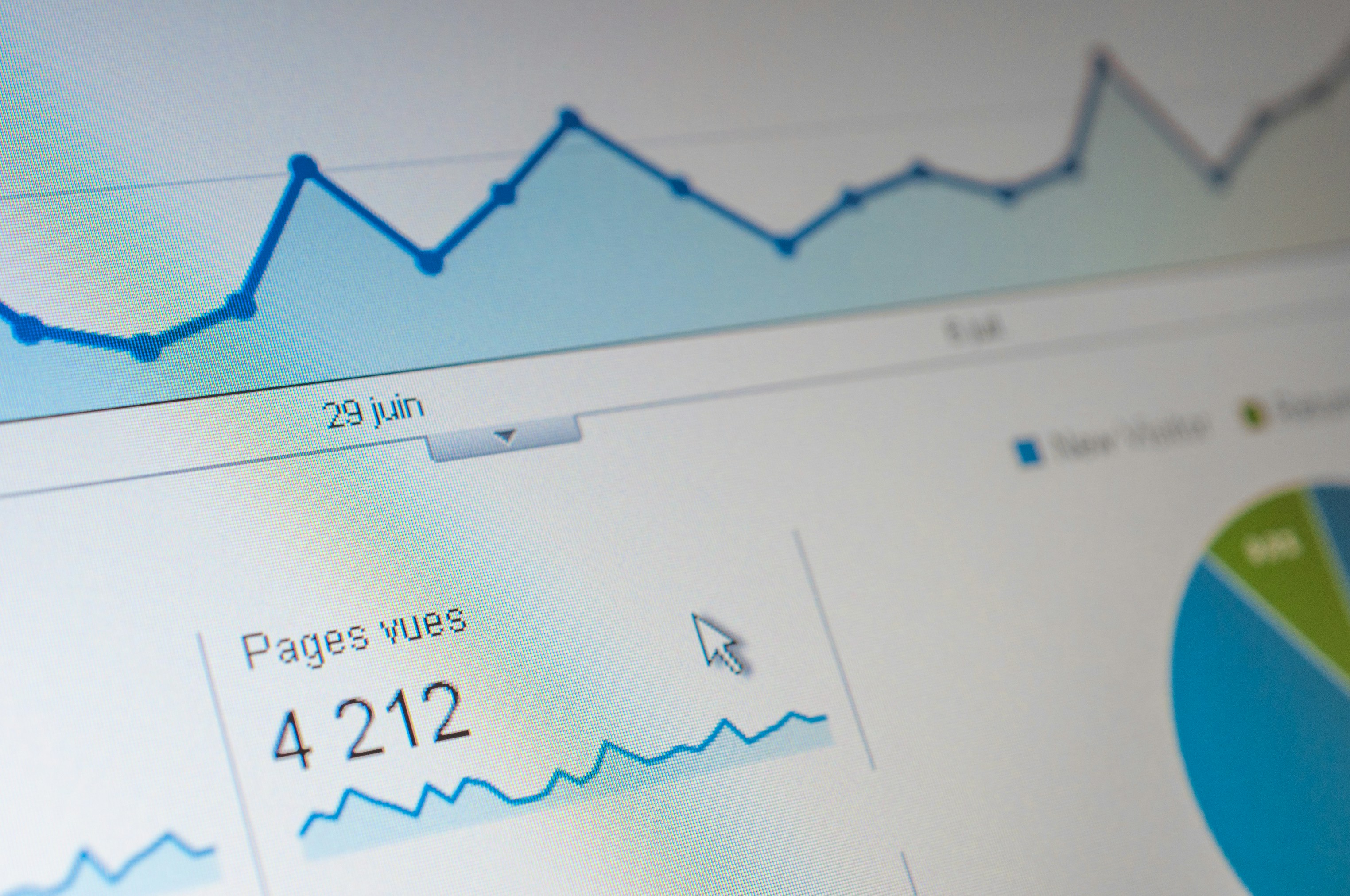
Introduction to Real-Time Web Data
Real-time web data refers to the immediate information available on the internet, which can significantly influence decision-making processes across various industries. This information is constantly updated and allows organizations to access real-time web data to gain insights into current trends, consumer behavior, and market dynamics. By utilizing technologies that facilitate the gathering and analysis of this data, businesses can react promptly to changing circumstances.
The importance of real-time web data cannot be overstated, as it provides a competitive edge by enabling organizations to make accurate and timely decisions. For instance, in the finance sector, accessing real-time web data about stock market movements allows traders to adjust their strategies quickly and take advantage of fluctuations. Similarly, in e-commerce, companies can track consumer preferences and preferences in real-time, leading to improved customer experiences and targeted marketing efforts.
Moreover, real-time web data extends beyond mere statistics; it encompasses social media trends, breaking news, and emerging technologies, all of which can alter public perception or consumer sentiment. Companies leveraging this type of data can anticipate market shifts and tailor their products or services accordingly. Furthermore, real-time data analytics enhance operational efficiency by identifying issues as they arise, allowing for swift resolutions and innovations.
In essence, the ability to access real-time web data and summarize live information is transformative, driving strategic initiatives and fostering growth in numerous fields. The continuous evolution of web technologies compounds the significance of this data, making it an indispensable asset for organizations aspiring to succeed in today’s fast-paced digital landscape.
Sources of Real-Time Web Data
Accessing real-time web data is made possible through a variety of sources, each offering unique types of information. One of the primary sources of real-time data is social media platforms. These platforms, such as Twitter, Facebook, and LinkedIn, provide live updates and trends on current events, public sentiments, and key user interactions. Through advanced APIs, developers can tap into streams of live content and analyze public reactions to various topics, thereby summarizing live information effectively.
Another significant source of real-time information is news websites, which continuously update their content based on breaking news. Major news outlets often have dedicated sections for live coverage that can be parsed for immediate headlines, ongoing events, and in-depth reporting. Accessing real-time web data from news sites enables users to stay informed about global happenings, and this information can be summarized to highlight key points for audiences.
Financial markets also present a crucial repository of real-time data. Stock market exchanges provide live quotes, indices, and trading volumes, which are essential for investors and analysts. Accessing this type of real-time data can help predict market trends and make informed investment decisions. The information gathered can be summarized to reflect stock performance and market sentiment, making it invaluable for financial reporting.
Lastly, the Internet of Things (IoT) devices generate significant amounts of real-time data related to environmental conditions, manufacturing processes, and user interactions. Sensors and smart devices provide continuous feedback that can be monitored and analyzed for operational efficiency, safety, and other variables. This data can be accessed to track performance metrics and summarize live information that assists businesses in decision-making.
Methods of Accessing Real-Time Data
Accessing real-time web data can be performed through a variety of methods, each with its own set of advantages and limitations. The most common methods include APIs (Application Programming Interfaces), web scraping, and data feeds.
APIs are arguably the most efficient way to access real-time data. They allow users to directly interact with a web service, retrieving data in a structured format, usually JSON or XML. The primary advantage of APIs is the reliability and consistency of the data delivered, as they are maintained by the service provider. Moreover, many APIs offer extensive documentation, making integration simpler for developers. However, the access to real-time web data through APIs may come with usage limitations, such as rate limits or restrictions on the types of data available, which can hinder the breadth of data that can be collected.
Another method is web scraping, which entails extracting information from web pages by parsing their HTML content. This approach offers flexibility as it can access data from virtually any website that does not implement strong anti-scraping measures. One significant advantage of web scraping is the potential to collect a wide array of unstructured data. However, it comes with challenges, such as the need for regular maintenance since websites often change their structure, which can break scraping scripts. Additionally, scraping may violate a site’s terms of service, raising ethical and legal considerations.
Data feeds represent another method for accessing real-time web data. They provide continuous streams of information, often formatted in XML or JSON, which can be processed in real-time. This method is particularly popular among financial and news services where live updates are crucial. However, data feeds require an appropriate infrastructure to handle the continuous flow of data and may involve subscription fees, potentially limiting access for smaller organizations.
Data Processing and Analysis Techniques
Processing and analyzing real-time data effectively is crucial for gaining actionable insights from live information. By employing various techniques, organizations can access real-time web data in a manner that enhances decision-making and keeps them ahead of the competition.
One important method for managing real-time data is filtering. This process allows users to remove irrelevant or low-quality data points from the dataset, making it easier to focus on crucial information. Tools such as Apache Kafka and Apache Spark are popular choices for real-time data processing, enabling users to filter streams in real-time and only extract what is necessary for analysis.
Aggregation is another key technique used to combine multiple data entries into a single summary format. By grouping data points based on specific criteria, stakeholders can observe trends and patterns more clearly. For instance, using SQL queries, businesses can aggregate data collected from various sources, providing a unified view of performance metrics. This capability is particularly beneficial for businesses looking to quickly gauge their operations’ effectiveness.
Visualization techniques play an equally essential role in data processing. By transforming complex data sets into visually appealing charts and graphs, stakeholders can quickly comprehend trends, allowing for more effective communication and faster decision-making. Tools such as Tableau, Power BI, and Google Data Studio specialize in creating interactive visualizations that help in summarizing live information for various audiences.
Overall, the integration of filtering, aggregation, and visualization techniques, supported by a range of specialized tools, enables businesses to proficiently access real-time web data and summarize live information efficiently. This multi-faceted approach ensures it remains relevant and actionable, ultimately driving better outcomes and strategic initiatives.
Summarizing Live Information Effectively
Summarizing live information is an essential skill, particularly in an age where the ability to access real-time web data and summarize live information is crucial for decision-making and reporting. To achieve effective summarization, a few best practices can be implemented to ensure accuracy and efficiency.
First, it is vital to grasp the context of the information being summarized. Understanding the background and surrounding circumstances informs what details are relevant and how they should be presented. Elements such as the source of the data, the intended audience, and the specific circumstances surrounding the information can greatly influence the clarity of the summary.
Secondly, clarity is paramount in effective summarization. A summary should be concise while retaining the essence of the original content. Utilizing straightforward language, avoiding jargon, and being precise in phrasing allows for easier comprehension. Additionally, structuring the summary logically—beginning with key points followed by supporting information—enhances readability and ensures that readers can follow the core message without confusion.
Speed is another vital attribute when summarizing live information. In scenarios where situations evolve rapidly, leveraging tools and mechanisms can facilitate quicker access to real-time web data. Automated summarization tools or applications can assist in expediting the process, though human oversight remains crucial to avoid misinterpretations or errors that automated systems may introduce.
Common pitfalls to avoid in summarization include excessive detail that can overwhelm the reader and incorporating personal bias which distorts the objective nature of the summary. Striking a balance between brevity and completeness is critical, ensuring the summary remains informative yet manageable.
In conclusion, by maintaining context, clarity, and speed in the process of summarization, and avoiding prevalent errors, one can effectively summarize real-time information to serve their intended purpose efficiently.
Use Cases of Real-Time Data and Summarization
Accessing real-time web data and summarizing live information have substantial applications across various industries. These use cases highlight how businesses harness the insights derived from timely data to enhance decision-making processes, operational efficiency, and customer engagement.
In the finance sector, real-time data access is paramount. For instance, traders rely on instant market data to make informed decisions regarding stock purchases and sales. By tracking live market trends and summarizing crucial financial metrics, investors can react swiftly to market shifts, thereby minimizing risks and maximizing returns. Financial institutions often implement analytics tools that epitomize the integration of real-time data into their strategies, allowing for immediate adjustments to trading strategies.
In technology, real-time web data serves purposes such as enhancing user experience and optimizing system performance. Companies use live analytics to monitor website traffic and user interaction. This ability to summarize live information enables them to make real-time updates, ultimately improving customer satisfaction and engagement. For example, e-commerce platforms deploy real-time data tools to track inventory levels and customer demands, ensuring that their offerings are relevant and timely.
The healthcare industry also benefits significantly from accessing real-time data and summarization. Hospitals employ real-time monitoring systems to oversee patient vitals and treatment responses. Summarizing this data effectively aids healthcare providers in making rapid decisions, potentially improving patient outcomes. Moreover, applications such as telemedicine utilize real-time data access to offer immediate consultations and follow-ups, underscoring the importance of live information in this critical sector.
Finally, the logistics and transportation industry utilizes real-time data for fleet management. By accessing live tracking systems, companies can optimize routes, predict delays, and manage supply chain intricacies more efficiently. This practice significantly enhances operational effectiveness and customer service quality.
Challenges in Accessing and Summarizing Real-Time Data
Real-time web data has become increasingly vital for various applications, yet accessing and summarizing this information presents several challenges. One of the primary issues is data accuracy. In a rapidly changing online environment, information can become outdated almost instantaneously. As a result, the reliability of the data accessed can significantly fluctuate, leading to potential misinterpretations or decision-making based on erroneous insights. Organizations must implement stringent data validation processes to ensure what they access reflects the most accurate and current data available.
Another challenge is the phenomenon of information overload. With an immense volume of data generated every second across multiple platforms, it can be overwhelming to filter relevant information from the noise. Users often find themselves sifting through excessive amounts of data, making it difficult to identify core insights or summarize findings effectively. Deploying advanced filtering techniques and prioritizing specific data types can help mitigate this issue, but the challenge remains a significant hurdle for many entities seeking to access real-time web data.
Technological limitations also play a critical role in hindering the effective access and summarization of live information. The infrastructure required to collect, process, and analyze large datasets in real-time can be resource-intensive. This challenge is further exacerbated for smaller organizations lacking the necessary budget and expertise to utilize sophisticated data analytics tools. Additionally, privacy and data governance laws impose restrictions on how organizations can manage live data, complicating efforts to glean insights efficiently.
Addressing these challenges is crucial for any organization striving to leverage real-time web data effectively, ensuring that they can successfully summarize live information and make informed decisions based on their findings.
Future Trends in Real-Time Data Access and Summarization
The landscape of real-time web data access and summarization is rapidly evolving, driven by advancements in artificial intelligence (AI) and machine learning. As businesses and organizations generate vast amounts of data, the need for immediate and actionable insights becomes paramount. One of the key trends in this area is the increasing use of AI algorithms that can not only access real-time web data but also process and interpret it efficiently. These algorithms enhance the ability to derive meaningful conclusions from complex datasets, allowing users to react swiftly to changing circumstances.
Moreover, automation is playing a pivotal role in the future of real-time data summarization. By utilizing automated tools and platforms, companies can streamline the process of data collection and synthesis. Automation reduces human intervention, minimizes errors, and supports faster decision-making processes. New tools are emerging that can aggregate data from various online sources, enabling users to access real-time web data in an organized and easily digestible format.
Another significant trend is the integration of natural language processing (NLP) technologies, which assists in breaking down jargon-laden data into plain language summaries. This innovation is essential for ensuring that non-technical users can also access real-time data insights without requiring extensive training in data interpretation. NLP not only improves the overall usability of data but also democratizes access to critical live information.
As these technologies improve, we can anticipate a future where real-time data access and summarization tools become increasingly sophisticated and user-friendly. This evolution will empower businesses to make proactive decisions based on live insights, ultimately leading to enhanced operational efficiency and competitive advantage.
Conclusion and Key Takeaways
Access to real-time web data has become increasingly vital in today’s fast-paced digital landscape. The ability to summarize live information not only enhances event monitoring but also enables businesses and individuals to make informed decisions on the fly. Throughout this blog post, we have explored various methods and tools available for efficiently accessing timely data from the web, ensuring that users can obtain the most pertinent information as it unfolds.
The importance of harnessing real-time data cannot be overstated; it equips users with insights that are critical for staying ahead of the competition, whether in market analysis, crisis management, or customer engagement strategies. By utilizing cutting-edge technologies such as web scraping, APIs, and data aggregation platforms, stakeholders can tap into a wealth of information that drives business intelligence forward.
Moreover, the discussion highlighted the need for secure and ethical practices when accessing real-time web data. It is necessary to ensure compliance with legal standards and ethical guidelines, thereby fostering a responsible approach to data utilization. As technology evolves, so will the methodologies for data summarization, potentially integrating advanced machine learning algorithms that enhance data accuracy and relevance.
In conclusion, as we move into a future where instantaneous information is paramount, the significance of access to real-time web data will only increase. Those who master the art of summarizing live information will undoubtedly find themselves at the forefront of their respective fields, empowered by data-driven insights that lead to success and strategic advantage.
لا يوجد تعليق